Awakenings
Stream

Rent & Buy


Dr. Malcolm Sayer, a shy research physician, uses an experimental drug to "awaken" the catatonic victims of a rare disease. Leonard is the first patient to receive the controversial treatment. His awakening, filled with awe and enthusiasm, proves a rebirth for Sayer too, as the exuberant patient reveals life's simple but unutterably sweet pleasures to the introverted doctor.
What critics thought
Broadly well-received on release, the film earns its warmest notices for De Niro's unsentimental physicality and Williams's restrained dramatic work, but a meaningful minority of critics felt the material tips into piety — that the movie treats its subjects as icons of feeling rather than people, and that its emotional payoffs are engineered rather than earned.
“After seeing Awakenings, I read [the book], to know more about what happened in that Bronx hospital. What both the movie and the book convey is the immense courage of the patients and the profound experience of their doctors, as in a small way they reexperienced what it means to be born, to open your eyes and discover to your astonishment that "you" are alive.”
Roger Ebert·Chicago Sun-Times
“There's a raw, subversive element in De Niro's performance: He doesn't shrink from letting Leonard seem grotesque. Yet Awakenings, unlike the infinitely superior Rain Man, isn't really built around the quirkiness of its lead character. The movie views Leonard piously; it turns him into an icon of feeling. And so even if you're held (as I was) by the acting, you may find yourself fighting the film's design.”
Owen Gleiberman·Entertainment Weekly
“When nurse Julie Kavner (another former TV being) delivers the main Message (life, she tells Williams, is "given and taken away from all of us"), it doesn't sound like the climactic point of a great movie. It sounds more like a line from one of the more sensitive episodes of Laverne and Shirley.”
Desson Howe·The Washington Post
“Awakenings works harder at achieving such misplaced liveliness than at winning its audience over in other ways.”
Janet Maslin·The New York Times
Accolades
Genres
Biography, Drama
Cast & Crew
 Penny MarshallDirector
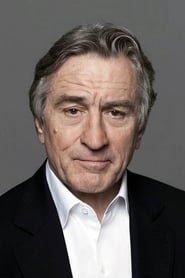 Robert De NiroLeonard Lowe
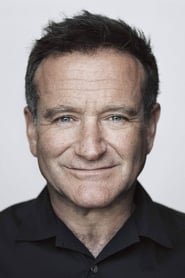 Robin WilliamsMalcolm Sayer
 John HeardDr. Kaufman
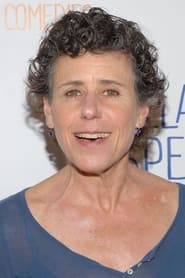 Julie KavnerEleanor Costello
 Penelope Ann MillerPaula
 Ruth NelsonMrs. Lowe
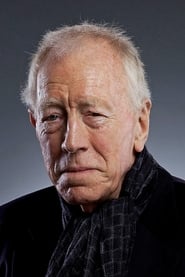 Max von SydowPeter Ingham
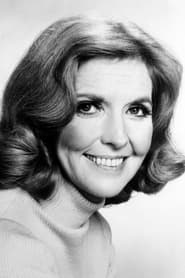 Anne MearaMiriam
 Dexter GordonRolando
 George MartinFrank
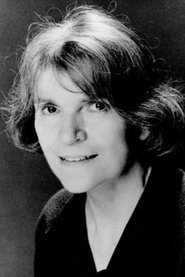 Alice DrummondLucy Fishman
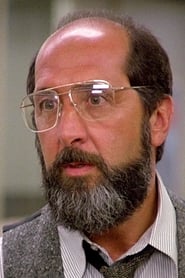 Richard LibertiniSidney
 Randy NewmanComposer
 Steven ZaillianWriter
 Miroslav OndříčekCinematography
Awakenings
Dr. Malcolm Sayer, a shy research physician, uses an experimental drug to "awaken" the catatonic victims of a rare disease. Leonard is the first patient to receive the controversial treatment. His awakening, filled with awe and enthusiasm, proves a rebirth for Sayer too, as the exuberant patient reveals life's simple but unutterably sweet pleasures to the introverted doctor.
What critics thought
Broadly well-received on release, the film earns its warmest notices for De Niro's unsentimental physicality and Williams's restrained dramatic work, but a meaningful minority of critics felt the material tips into piety — that the movie treats its subjects as icons of feeling rather than people, and that its emotional payoffs are engineered rather than earned.
“After seeing Awakenings, I read [the book], to know more about what happened in that Bronx hospital. What both the movie and the book convey is the immense courage of the patients and the profound experience of their doctors, as in a small way they reexperienced what it means to be born, to open your eyes and discover to your astonishment that "you" are alive.”
Roger Ebert·Chicago Sun-Times
“There's a raw, subversive element in De Niro's performance: He doesn't shrink from letting Leonard seem grotesque. Yet Awakenings, unlike the infinitely superior Rain Man, isn't really built around the quirkiness of its lead character. The movie views Leonard piously; it turns him into an icon of feeling. And so even if you're held (as I was) by the acting, you may find yourself fighting the film's design.”
Owen Gleiberman·Entertainment Weekly
“When nurse Julie Kavner (another former TV being) delivers the main Message (life, she tells Williams, is "given and taken away from all of us"), it doesn't sound like the climactic point of a great movie. It sounds more like a line from one of the more sensitive episodes of Laverne and Shirley.”
Desson Howe·The Washington Post
“Awakenings works harder at achieving such misplaced liveliness than at winning its audience over in other ways.”
Janet Maslin·The New York Times
Accolades
Genres
Biography, Drama
Cast & Crew
Penny MarshallDirectorRobert De NiroLeonard LoweRobin WilliamsMalcolm SayerJohn HeardDr. KaufmanJulie KavnerEleanor CostelloPenelope Ann MillerPaulaRuth NelsonMrs. LoweMax von SydowPeter InghamAnne MearaMiriamDexter GordonRolandoGeorge MartinFrankAlice DrummondLucy FishmanRichard LibertiniSidneyRandy NewmanComposerSteven ZaillianWriterMiroslav OndříčekCinematographyStream
Rent & Buy