The Game
Rent & Buy


In honor of his birthday, San Francisco banker Nicholas Van Orton, a financial genius and a cold-hearted loner, receives an unusual present from his younger brother, Conrad: a gift certificate to play a unique kind of game. In nary a nanosecond, Nicholas finds himself consumed by a dangerous set of ever-changing rules, unable to distinguish where the charade ends and reality begins.
What critics thought
Fincher's craft — his suffocating atmosphere, intricate visual design, and sustained control of suspense — drew consistent praise, and Michael Douglas was widely seen as ideally cast in a role demanding cold intelligence gradually cracked open. Where critics disagreed was on the ending: some found the film's sunny, redemptive resolution a clever piece of pulp playfulness, while others felt it betrayed Fincher's strengths and papered over real plot holes with visible effort.
“Fincher's style is so handsomely oppressive, and Douglas' befuddlement is so cagey, that for a while, the film recalls smarter excursions into heroic paranoia (The Parallax View, Total Recall).”
Richard Corliss·Time
“It's formulaic, yet edgy. It's predictable, yet full of surprises. How far you get through this tall tale of a thriller before you give up and howl is a matter of personal taste. But there's much pleasure in Fincher's intricate color schemes, his rich sense of decor, his ability to sustain suspense over long periods of time and his sense of humor.”
Desson Howe·The Washington Post
“Emotionally, there's not much at stake in The Game—can Nicholas Van Orton be saved?!—but Douglas is the perfect actor to occupy the center of a crazed Rube Goldberg thriller. The movie has the wit to be playful about its own manipulations, even as it exploits them for maximum pulp impact.”
Owen Gleiberman·Entertainment Weekly
“Fincher's effort to cover up the plot holes is all the more noticeable for being strained...The Game has a sunny, redemptive side that ill suits Fincher and ill serves audiences that share his former affinity for loose ends hauntingly left untied.”
Peter Travers·Rolling Stone
Genres
Drama, Mystery, Thriller
Cast & Crew
 David FincherDirector
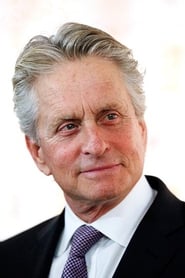 Michael DouglasNicholas Van Orton
 Sean PennConrad Van Orton
 Deborah Kara UngerChristine
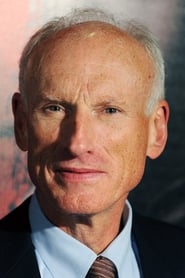 James RebhornJim Feingold
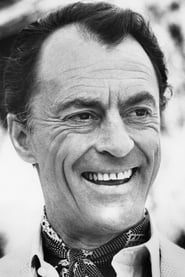 Peter DonatSamuel Sutherland
 Carroll BakerIlsa
 Anna KatarinaElizabeth
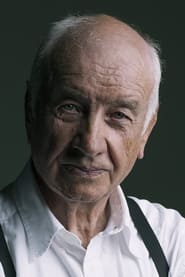 Armin Mueller-StahlAnson Baer
 Charles MartinetNicholas' Father
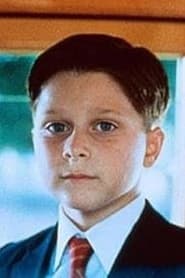 Scott Hunter McGuireYoung Nicholas
 Florentine MocanuNicholas' Mother
 Elizabeth DennehyMaria
 Howard ShoreComposer
 John BrancatoWriter
 Harris SavidesCinematography
The Game
In honor of his birthday, San Francisco banker Nicholas Van Orton, a financial genius and a cold-hearted loner, receives an unusual present from his younger brother, Conrad: a gift certificate to play a unique kind of game. In nary a nanosecond, Nicholas finds himself consumed by a dangerous set of ever-changing rules, unable to distinguish where the charade ends and reality begins.
What critics thought
Fincher's craft — his suffocating atmosphere, intricate visual design, and sustained control of suspense — drew consistent praise, and Michael Douglas was widely seen as ideally cast in a role demanding cold intelligence gradually cracked open. Where critics disagreed was on the ending: some found the film's sunny, redemptive resolution a clever piece of pulp playfulness, while others felt it betrayed Fincher's strengths and papered over real plot holes with visible effort.
“Fincher's style is so handsomely oppressive, and Douglas' befuddlement is so cagey, that for a while, the film recalls smarter excursions into heroic paranoia (The Parallax View, Total Recall).”
Richard Corliss·Time
“It's formulaic, yet edgy. It's predictable, yet full of surprises. How far you get through this tall tale of a thriller before you give up and howl is a matter of personal taste. But there's much pleasure in Fincher's intricate color schemes, his rich sense of decor, his ability to sustain suspense over long periods of time and his sense of humor.”
Desson Howe·The Washington Post
“Emotionally, there's not much at stake in The Game—can Nicholas Van Orton be saved?!—but Douglas is the perfect actor to occupy the center of a crazed Rube Goldberg thriller. The movie has the wit to be playful about its own manipulations, even as it exploits them for maximum pulp impact.”
Owen Gleiberman·Entertainment Weekly
“Fincher's effort to cover up the plot holes is all the more noticeable for being strained...The Game has a sunny, redemptive side that ill suits Fincher and ill serves audiences that share his former affinity for loose ends hauntingly left untied.”
Peter Travers·Rolling Stone
Genres
Drama, Mystery, Thriller
Cast & Crew
David FincherDirectorMichael DouglasNicholas Van OrtonSean PennConrad Van OrtonDeborah Kara UngerChristineJames RebhornJim FeingoldPeter DonatSamuel SutherlandCarroll BakerIlsaAnna KatarinaElizabethArmin Mueller-StahlAnson BaerCharles MartinetNicholas' FatherScott Hunter McGuireYoung NicholasFlorentine MocanuNicholas' MotherElizabeth DennehyMariaHoward ShoreComposerJohn BrancatoWriterHarris SavidesCinematographyRent & Buy