I Am Sam
Stream

Rent & Buy


Sam, a neurodivergent man, has a daughter with a homeless woman who abandons them when they leave the hospital, leaving Sam to raise Lucy on his own. But as Lucy grows up, Sam's limitations as a parent start to become a problem and the authorities take her away. Sam convinces high-priced lawyer Rita to take his case pro bono and in turn teaches her the value of love and family.
What critics thought
DivisiveCritics were largely hostile to I Am Sam, finding it a textbook case of Hollywood sentimentality overwhelming a genuinely complex subject — a story about a father with an intellectual disability fighting for custody of his daughter that critics felt the film reduced to feel-good simplicity. The one consistent point of praise was Sean Penn's performance, with some arguing it transcended the material, while audiences responded far more warmly than critics did, a gap that remains one of the more striking in recent memory.
“its sentimentality is so relentless and its narrative so predictable that the life is very nearly squeezed out of it”
A. O. Scott·The New York Times
“Undone by its best intentions, I Am Sam is an especially insipid example of the Hollywood message movie”
Variety
“You can't have heroes and villains when the wrong side is making the best sense.”
Roger Ebert·RogerEbert.com
“Penn's accuracy, his lack of condescension or sentiment, and his willingness to inhabit his character without any implicit commentary take what might have been the equivalent of an inflated TV movie and elevate it to the level of art.”
Mick LaSalle·San Francisco Chronicle
“Pfeiffer, enormously likable in the role, almost saves the movie.”
David Denby·The New Yorker
Accolades
Parents guide
- Violence
- none
- Sex
- none
- Profanity
- mild
- Substances
- none
- Intensity
- mild
Genres
Drama
Cast & Crew
 Jessie NelsonDirector
 Sean PennSam Dawson
 Michelle PfeifferRita Harrison Williams
 Dianne WiestAnnie Cassell
 Dakota FanningLucy Diamond Dawson
 Richard SchiffMr. Turner
 Loretta DevineMargaret Calgrove
 Marin HinklePatricia
 Laura DernRandy Carpenter
 Brad SilvermanBrad
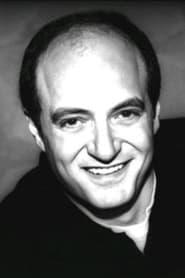 Stanley DeSantisRobert
 Doug HutchisonIfty
 John PowellComposer
 Kristine JohnsonWriter
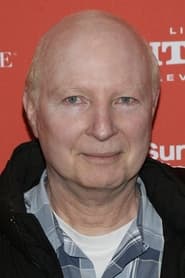 Elliot DavisCinematography
From the studio
I Am Sam
Sam, a neurodivergent man, has a daughter with a homeless woman who abandons them when they leave the hospital, leaving Sam to raise Lucy on his own. But as Lucy grows up, Sam's limitations as a parent start to become a problem and the authorities take her away. Sam convinces high-priced lawyer Rita to take his case pro bono and in turn teaches her the value of love and family.
What critics thought
DivisiveCritics were largely hostile to I Am Sam, finding it a textbook case of Hollywood sentimentality overwhelming a genuinely complex subject — a story about a father with an intellectual disability fighting for custody of his daughter that critics felt the film reduced to feel-good simplicity. The one consistent point of praise was Sean Penn's performance, with some arguing it transcended the material, while audiences responded far more warmly than critics did, a gap that remains one of the more striking in recent memory.
“its sentimentality is so relentless and its narrative so predictable that the life is very nearly squeezed out of it”
A. O. Scott·The New York Times
“Undone by its best intentions, I Am Sam is an especially insipid example of the Hollywood message movie”
Variety
“You can't have heroes and villains when the wrong side is making the best sense.”
Roger Ebert·RogerEbert.com
“Penn's accuracy, his lack of condescension or sentiment, and his willingness to inhabit his character without any implicit commentary take what might have been the equivalent of an inflated TV movie and elevate it to the level of art.”
Mick LaSalle·San Francisco Chronicle
“Pfeiffer, enormously likable in the role, almost saves the movie.”
David Denby·The New Yorker
Accolades
Parents guide
- Violence
- none
- Sex
- none
- Profanity
- mild
- Substances
- none
- Intensity
- mild
Genres
Drama
Cast & Crew
Jessie NelsonDirectorSean PennSam DawsonMichelle PfeifferRita Harrison WilliamsDianne WiestAnnie CassellDakota FanningLucy Diamond DawsonRichard SchiffMr. TurnerLoretta DevineMargaret CalgroveMarin HinklePatriciaLaura DernRandy CarpenterBrad SilvermanBradStanley DeSantisRobertDoug HutchisonIftyJohn PowellComposerKristine JohnsonWriterElliot DavisCinematographyFrom the studio
Stream
Rent & Buy