Rambo: Last Blood
Stream


Rent & Buy


After fighting his demons for decades, John Rambo now lives in peace on his family ranch in Arizona, but his rest is interrupted when Gabriela, the granddaughter of his housekeeper María, disappears after crossing the border into Mexico to meet her biological father. Rambo, who has become a true father figure for Gabriela over the years, undertakes a desperate and dangerous journey to find her.
What critics thought
DivisiveCritics largely panned Last Blood as a cynical, dramatically hollow conclusion to the franchise, reserving particular contempt for the script's laziness, its cartoonish villains, and what many called xenophobic stereotyping of Mexicans and Latinos that felt designed to court a specific political mood. Stallone's physical commitment earned isolated credit, but the character he helped create — once a symbol of war's human cost — struck most as having been hollowed out into a slasher-film action machine. Even the gore divided audiences: some found the extremity exhilarating, others genuinely disturbing, and a handful felt both at the same time.
“This character is a mess of contradictions, representing, on one hand, the permanent damage that military service can do to one's soul while simultaneously suggesting what the ideal soldier looks like.”
Peter Debruge·Variety
“feels utterly tossed-off and generic, more resembling the pilot for a Rambo television series than a proper send off”
Frank Scheck·The Hollywood Reporter
“It's so genuinely horrific I'm convinced there are real-life cartel videos celebrating the torture of rivals that are less gory”
Vince Mancini·Uproxx
“Rambo: Last Blood features what's easily the most violent movie scene of the year. It's awesome”
Johnny Oleksinski·New York Post
“massively enlarged prostate of a film [that] can only make you wince with its badly acted geronto-ultraviolence, its Trumpian fantasies of Mexican rapists and hilariously insecure US border, and its crass enthusiasm for rape-revenge attacks”
Peter Bradshaw·The Guardian
Parents guide
- Violence
- severe
- Sex
- mild
- Profanity
- severe
- Substances
- moderate
- Intensity
- severe
Genres
Action, Thriller, Drama
Cast & Crew
 Adrian GrünbergDirector
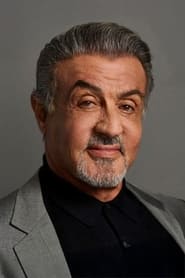 Sylvester StalloneJohn Rambo
 Paz VegaCarmen
 Sergio Peris-MenchetaHugo Martínez
 Adriana BarrazaMaría Beltrán
 Yvette MonrealGabriela
 Joaquín CosíoDon Manuel
 Pascacio López'El Flaco'
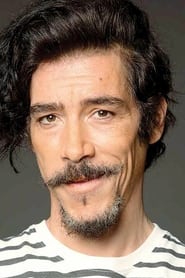 Óscar JaenadaVíctor Martínez
 Nicholas WittmanMale Hiker
 Jessica MadsenBecky
 Louis MandylorSheriff
 Fenessa PinedaGizelle
 Brian TylerComposerSylvester StalloneWriter
Rambo: Last Blood
After fighting his demons for decades, John Rambo now lives in peace on his family ranch in Arizona, but his rest is interrupted when Gabriela, the granddaughter of his housekeeper María, disappears after crossing the border into Mexico to meet her biological father. Rambo, who has become a true father figure for Gabriela over the years, undertakes a desperate and dangerous journey to find her.
What critics thought
DivisiveCritics largely panned Last Blood as a cynical, dramatically hollow conclusion to the franchise, reserving particular contempt for the script's laziness, its cartoonish villains, and what many called xenophobic stereotyping of Mexicans and Latinos that felt designed to court a specific political mood. Stallone's physical commitment earned isolated credit, but the character he helped create — once a symbol of war's human cost — struck most as having been hollowed out into a slasher-film action machine. Even the gore divided audiences: some found the extremity exhilarating, others genuinely disturbing, and a handful felt both at the same time.
“This character is a mess of contradictions, representing, on one hand, the permanent damage that military service can do to one's soul while simultaneously suggesting what the ideal soldier looks like.”
Peter Debruge·Variety
“feels utterly tossed-off and generic, more resembling the pilot for a Rambo television series than a proper send off”
Frank Scheck·The Hollywood Reporter
“It's so genuinely horrific I'm convinced there are real-life cartel videos celebrating the torture of rivals that are less gory”
Vince Mancini·Uproxx
“Rambo: Last Blood features what's easily the most violent movie scene of the year. It's awesome”
Johnny Oleksinski·New York Post
“massively enlarged prostate of a film [that] can only make you wince with its badly acted geronto-ultraviolence, its Trumpian fantasies of Mexican rapists and hilariously insecure US border, and its crass enthusiasm for rape-revenge attacks”
Peter Bradshaw·The Guardian
Parents guide
- Violence
- severe
- Sex
- mild
- Profanity
- severe
- Substances
- moderate
- Intensity
- severe
Genres
Action, Thriller, Drama
Cast & Crew
Adrian GrünbergDirectorSylvester StalloneJohn RamboPaz VegaCarmenSergio Peris-MenchetaHugo MartínezAdriana BarrazaMaría BeltránYvette MonrealGabrielaJoaquín CosíoDon ManuelPascacio López'El Flaco'Óscar JaenadaVíctor MartínezNicholas WittmanMale HikerJessica MadsenBeckyLouis MandylorSheriffFenessa PinedaGizelleBrian TylerComposerSylvester StalloneWriterStream
Rent & Buy