Anna Karenina
Rent & Buy


In Imperial Russia, Anna, wife of the officer Karenin, goes to Moscow to visit her brother. On the way, she meets charming cavalry officer Vronsky, to whom she's immediately attracted. But in St. Petersburg’s high society, a relationship like this could destroy a woman’s reputation.
What critics thought
Joe Wright's theatrically staged adaptation is genuinely divisive: admirers see a daring, inventive reimagining of Tolstoy that treats the whole of cinema as its toolkit, while detractors argue the elaborate stagecraft keeps the audience at a cool remove, turning a psychologically dense novel into polished spectacle. Keira Knightley draws split verdicts too — praised as luminous by some, dismissed as less involving than her prior work by others — but most agree the film belongs first and foremost to its director, for better or worse.
“Anna Karenina militantly doesn't want to be just another costume drama; it attacks the heavyweight concerns of Russian literature (hypocrisy, jealousy, faith, fidelity, the pastoral vs. the urban, huge mustaches) with wit and verve; most exciting of all, it is filmmaking of the highest order, channeling every other art form from painting to ballet to puppetry while remaining completely cinematic”
Ian Freer·Empire
“Wright, with flat and flavorless images of an utterly impersonal banality, takes Tolstoy's plot and translates it into a cinematic language that's the equivalent of, say, Danielle Steel, simultaneously simplistic and overdone.”
Richard Brody·The New Yorker
“pull[s] the attention away from where it should be... [and] keeps [us] at arm's length, forever highlighting the smoke, mirrors and meticulous stage management that have been pressed into service to make his big idea a reality”
Neil Smith·Total Film
“favouring a glossy look over probing insights into a complicated character”
Stella Papamichael·Digital Spy
“knows how to get the best from Knightley”
Leslie Felperin·Variety
Accolades
Parents guide
- Violence
- moderate
- Sex
- mild
- Profanity
- mild
- Substances
- mild
- Intensity
- mild
Genres
Drama, Romance, History
Cast & Crew
 Joe WrightDirector
 Keira KnightleyAnna Karenina
 Jude LawKarenin
 Aaron Taylor-JohnsonVronsky
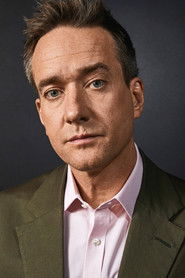 Matthew MacfadyenOblonsky
 Eric MacLennanMatvey
 Kelly MacdonaldDolly
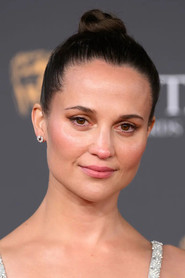 Alicia VikanderKitty
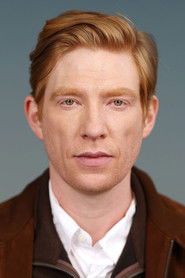 Domhnall GleesonLevin
 Olivia WilliamsCountess Vronsky
 Ruth WilsonPrincess Betsy Tverskoy
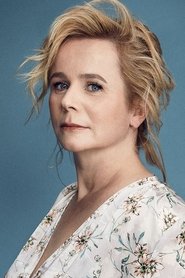 Emily WatsonCountess Lydia Ivanova
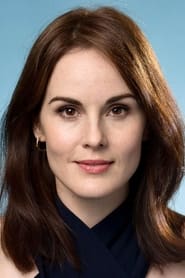 Michelle DockeryPrincess Myagkaya
 Dario MarianelliComposer
 Tom StoppardWriter
 Leo TolstoyWriter
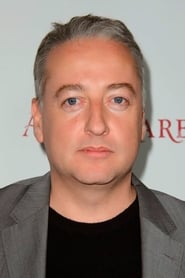 Seamus McGarveyCinematography
From the studio
Anna Karenina
In Imperial Russia, Anna, wife of the officer Karenin, goes to Moscow to visit her brother. On the way, she meets charming cavalry officer Vronsky, to whom she's immediately attracted. But in St. Petersburg’s high society, a relationship like this could destroy a woman’s reputation.
What critics thought
Joe Wright's theatrically staged adaptation is genuinely divisive: admirers see a daring, inventive reimagining of Tolstoy that treats the whole of cinema as its toolkit, while detractors argue the elaborate stagecraft keeps the audience at a cool remove, turning a psychologically dense novel into polished spectacle. Keira Knightley draws split verdicts too — praised as luminous by some, dismissed as less involving than her prior work by others — but most agree the film belongs first and foremost to its director, for better or worse.
“Anna Karenina militantly doesn't want to be just another costume drama; it attacks the heavyweight concerns of Russian literature (hypocrisy, jealousy, faith, fidelity, the pastoral vs. the urban, huge mustaches) with wit and verve; most exciting of all, it is filmmaking of the highest order, channeling every other art form from painting to ballet to puppetry while remaining completely cinematic”
Ian Freer·Empire
“Wright, with flat and flavorless images of an utterly impersonal banality, takes Tolstoy's plot and translates it into a cinematic language that's the equivalent of, say, Danielle Steel, simultaneously simplistic and overdone.”
Richard Brody·The New Yorker
“pull[s] the attention away from where it should be... [and] keeps [us] at arm's length, forever highlighting the smoke, mirrors and meticulous stage management that have been pressed into service to make his big idea a reality”
Neil Smith·Total Film
“favouring a glossy look over probing insights into a complicated character”
Stella Papamichael·Digital Spy
“knows how to get the best from Knightley”
Leslie Felperin·Variety
Accolades
Parents guide
- Violence
- moderate
- Sex
- mild
- Profanity
- mild
- Substances
- mild
- Intensity
- mild
Genres
Drama, Romance, History
Cast & Crew
Joe WrightDirectorKeira KnightleyAnna KareninaJude LawKareninAaron Taylor-JohnsonVronskyMatthew MacfadyenOblonskyEric MacLennanMatveyKelly MacdonaldDollyAlicia VikanderKittyDomhnall GleesonLevinOlivia WilliamsCountess VronskyRuth WilsonPrincess Betsy TverskoyEmily WatsonCountess Lydia IvanovaMichelle DockeryPrincess MyagkayaDario MarianelliComposerTom StoppardWriterLeo TolstoyWriterSeamus McGarveyCinematographyFrom the studio
Rent & Buy