Darkest Hour
Rent & Buy


In May 1940, the fate of World War II hangs on Winston Churchill, who must decide whether to negotiate with Adolf Hitler or fight on knowing that it could mean the end of the British Empire.
What critics thought
Nearly everyone agrees that Gary Oldman's transformation into Churchill is the film's reason for being, but critics split sharply over whether Joe Wright's direction matches it — admirers found the film a lively and handsomely crafted historical drama, while detractors saw a prestige-picture obligation that dresses up a thin, dumbed-down script in impressive makeup and period trappings.
“those fearing that Darkest Hour is nothing but a dull tableau of blowhard stuffed shirts will be relieved to know that they're in for a lively, provocative historical drama that runs on its own nonstop creative fire”
Peter Travers·Rolling Stone
“Unfolding with the clockwork precision of a Broadway play... it's a deliciously unsubtle testament to the power of words and their infinite capacity to inspire”
David Ehrlich·IndieWire
“Wright's forceful direction depicts not so much a hero as a principled man snatching victory from the jaws of defeat. Certain engineered Hollywood moments dilute the overall impact, including a twee meet and greet on a Tube train, but Oldman is never less than sensational.”
Damon Wise·Radio Times
“an acting exercise weighed down by costumes, make-up, and over-lighting”
Brian Tallerico·RogerEbert.com
“a bad film. It's not terrible, it's just, well, not good. It's the kind of film you'd watch on Netflix if it was raining, or on an iPad if it was the only film on the iPad, or on TV if you'd lost the remote. There are many reasons for this, but the main one is director Joe Wright, who never met a script he didn't dumb-down.”
Stuart McGurk·GQ
Accolades
Genres
Biography, Drama, History
Cast & Crew
 Joe WrightDirector
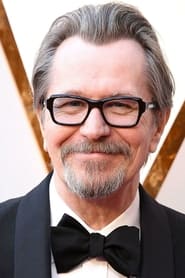 Gary OldmanWinston Churchill
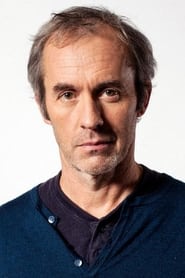 Stephen DillaneViscount Halifax
 Lily JamesElizabeth Layton
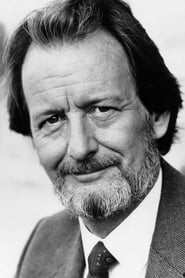 Ronald PickupNeville Chamberlain
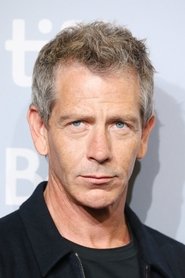 Ben MendelsohnKing George VI
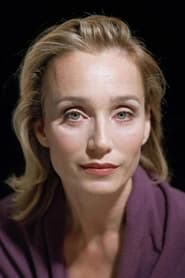 Kristin Scott ThomasClemmie
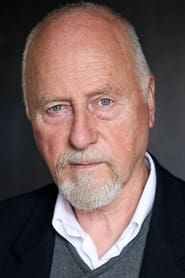 Nicholas JonesSir John Simon
 Samuel WestSir Anthony Eden
 David SchofieldClement Atlee
 Richard LumsdenGeneral Ismay
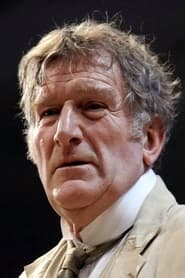 Malcolm StorryGeneral Ironside
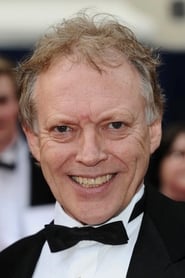 Hilton McRaeArthur Greenwood
 Dario MarianelliComposer
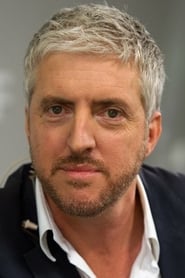 Anthony McCartenWriter
 Bruno DelbonnelCinematography
From the studio
Darkest Hour
In May 1940, the fate of World War II hangs on Winston Churchill, who must decide whether to negotiate with Adolf Hitler or fight on knowing that it could mean the end of the British Empire.
What critics thought
Nearly everyone agrees that Gary Oldman's transformation into Churchill is the film's reason for being, but critics split sharply over whether Joe Wright's direction matches it — admirers found the film a lively and handsomely crafted historical drama, while detractors saw a prestige-picture obligation that dresses up a thin, dumbed-down script in impressive makeup and period trappings.
“those fearing that Darkest Hour is nothing but a dull tableau of blowhard stuffed shirts will be relieved to know that they're in for a lively, provocative historical drama that runs on its own nonstop creative fire”
Peter Travers·Rolling Stone
“Unfolding with the clockwork precision of a Broadway play... it's a deliciously unsubtle testament to the power of words and their infinite capacity to inspire”
David Ehrlich·IndieWire
“Wright's forceful direction depicts not so much a hero as a principled man snatching victory from the jaws of defeat. Certain engineered Hollywood moments dilute the overall impact, including a twee meet and greet on a Tube train, but Oldman is never less than sensational.”
Damon Wise·Radio Times
“an acting exercise weighed down by costumes, make-up, and over-lighting”
Brian Tallerico·RogerEbert.com
“a bad film. It's not terrible, it's just, well, not good. It's the kind of film you'd watch on Netflix if it was raining, or on an iPad if it was the only film on the iPad, or on TV if you'd lost the remote. There are many reasons for this, but the main one is director Joe Wright, who never met a script he didn't dumb-down.”
Stuart McGurk·GQ
Accolades
Genres
Biography, Drama, History
Cast & Crew
Joe WrightDirectorGary OldmanWinston ChurchillStephen DillaneViscount HalifaxLily JamesElizabeth LaytonRonald PickupNeville ChamberlainBen MendelsohnKing George VIKristin Scott ThomasClemmieNicholas JonesSir John SimonSamuel WestSir Anthony EdenDavid SchofieldClement AtleeRichard LumsdenGeneral IsmayMalcolm StorryGeneral IronsideHilton McRaeArthur GreenwoodDario MarianelliComposerAnthony McCartenWriterBruno DelbonnelCinematographyFrom the studio
Rent & Buy