Beowulf
Stream


Rent & Buy


A 6th-century Scandinavian warrior named Beowulf embarks on a mission to slay the man-like ogre, Grendel.
What critics thought
Zemeckis's motion-capture Beowulf split critics cleanly along a single fault line: whether its spectacular 3-D visuals and crowd-pleasing energy were enough to compensate for a screenplay that trades the poem's mythic grandeur for fanboy thrills. Admirers found the technology a genuine leap forward and the pulpy reimagining outrageously fun; detractors felt the film dumbed down its source material and left its digitally rendered characters as hollow automatons despite improved eyes.
“The eighth-century Beowulf, goosed into twenty-first century life by a screenplay from sci-fi guru Neil Gaiman and Pulp Fiction's Roger Avary, will have you jumping out of your skin and begging for more... I've never seen a 3-D movie pop with this kind of clarity and oomph. It's outrageously entertaining.”
Peter Travers·Rolling Stone
“Zemeckis prioritizes spectacle over human engagement, in his reliance on a medium that allows for enormous range and fluidity in its visual effects yet reduces his characters to 3-D automatons. While the technology has improved since 2004's Polar Express (particularly in the characters' more lifelike eyes), the actors still don't seem entirely there.”
Justin Chang·Variety
“Beowulf's story of a hero who slays monsters has become a fanboy fantasy that panders with demonic energy to the young male demographic.”
Kenneth Turan·NPR
“There's plenty of action in Beowulf, but even its more vigorous bloodletting pales next to its rich language, exotic setting and mythic grandeur.”
Manohla Dargis·The New York Times
“effects scenes look realer, more integrated into the visual fabric, because they meet the traced-over live-action elements halfway. It all suggests that this kind of a moviemaking is more than a stunt. By imagining the distant past so vividly, Zemeckis and his team prove that character capture has a future.”
Richard Corliss·Time
Genres
Adventure, Action, Animation
Cast & Crew
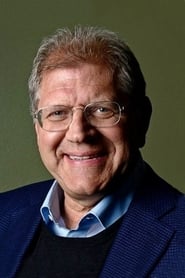 Robert ZemeckisDirector
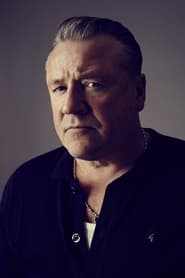 Ray WinstoneBeowulf / Golden Man / Dragon
 Angelina JolieGrendel's Mother (Motion Capture) (Voice)
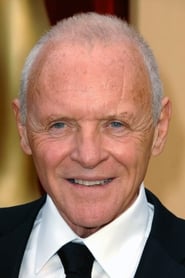 Anthony HopkinsHrothgar (Voice)
 John MalkovichUnferth (Voice)
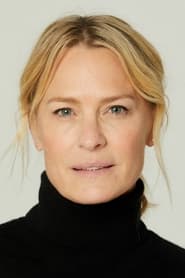 Robin WrightWealthow (Voice)
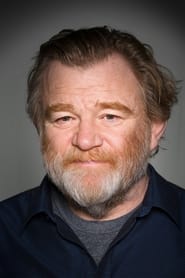 Brendan GleesonWiglaf (Voice)
 Crispin GloverGrendel (Voice)
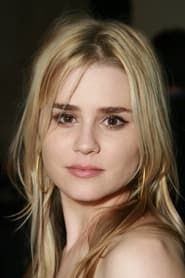 Alison LohmanUrsula (Voice)
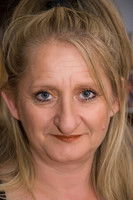 Sonje FortagGitte
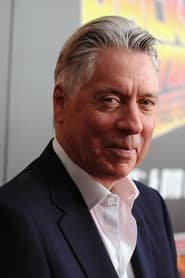 Alan SilvestriComposer
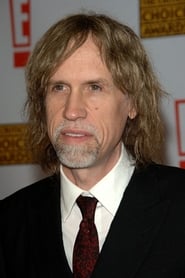 Glen BallardComposer
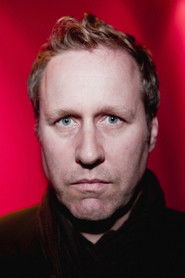 Roger AvaryWriter
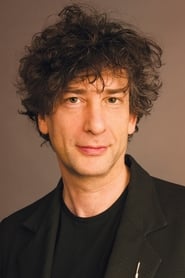 Neil GaimanWriter
Beowulf
A 6th-century Scandinavian warrior named Beowulf embarks on a mission to slay the man-like ogre, Grendel.
What critics thought
Zemeckis's motion-capture Beowulf split critics cleanly along a single fault line: whether its spectacular 3-D visuals and crowd-pleasing energy were enough to compensate for a screenplay that trades the poem's mythic grandeur for fanboy thrills. Admirers found the technology a genuine leap forward and the pulpy reimagining outrageously fun; detractors felt the film dumbed down its source material and left its digitally rendered characters as hollow automatons despite improved eyes.
“The eighth-century Beowulf, goosed into twenty-first century life by a screenplay from sci-fi guru Neil Gaiman and Pulp Fiction's Roger Avary, will have you jumping out of your skin and begging for more... I've never seen a 3-D movie pop with this kind of clarity and oomph. It's outrageously entertaining.”
Peter Travers·Rolling Stone
“Zemeckis prioritizes spectacle over human engagement, in his reliance on a medium that allows for enormous range and fluidity in its visual effects yet reduces his characters to 3-D automatons. While the technology has improved since 2004's Polar Express (particularly in the characters' more lifelike eyes), the actors still don't seem entirely there.”
Justin Chang·Variety
“Beowulf's story of a hero who slays monsters has become a fanboy fantasy that panders with demonic energy to the young male demographic.”
Kenneth Turan·NPR
“There's plenty of action in Beowulf, but even its more vigorous bloodletting pales next to its rich language, exotic setting and mythic grandeur.”
Manohla Dargis·The New York Times
“effects scenes look realer, more integrated into the visual fabric, because they meet the traced-over live-action elements halfway. It all suggests that this kind of a moviemaking is more than a stunt. By imagining the distant past so vividly, Zemeckis and his team prove that character capture has a future.”
Richard Corliss·Time
Genres
Adventure, Action, Animation
Cast & Crew
Robert ZemeckisDirectorRay WinstoneBeowulf / Golden Man / DragonAngelina JolieGrendel's Mother (Motion Capture) (Voice)Anthony HopkinsHrothgar (Voice)John MalkovichUnferth (Voice)Robin WrightWealthow (Voice)Brendan GleesonWiglaf (Voice)Crispin GloverGrendel (Voice)Alison LohmanUrsula (Voice)Sonje FortagGitteAlan SilvestriComposerGlen BallardComposerRoger AvaryWriterNeil GaimanWriterStream
Rent & Buy