Ghost World
Stream


Rent & Buy


Two quirky, cynical, teenaged girls try to figure out what to do with their lives following high school graduation. After they play a prank on an eccentric, middle-aged record collector, one of them befriends him, which causes a rift in the girls’ friendship.
What critics thought
Ghost World landed as one of the most acclaimed American films of 2001, with critics singling out Thora Birch's deadpan precision and the script's refusal to sentimentalize teenage alienation. The sharpest disagreement was over Enid herself — whether she's a brilliantly observed misfit or simply a smug, cruel teenager who gets a free pass — and comics devotees raised a separate objection: that the adaptation trades the source material's aimless mystery for Hollywood plot mechanics.
“I found Enid smug, complacent, cruel, deceitful, thoughtless, malicious and disloyal... Enid's favorite targets are people who are older, poorer, or dumber than she is.”
Andrew Sarris·The New York Observer
“If Zwigoff doesn't always make his movie move (he's overly faithful to the concept of the cartoon panel), he has a gift for connecting us to people who aren't obviously likable, then making us see the urgency of that connection.”
Manohla Dargis·LA Weekly
“Some of the comic's air of aimless mystery has been paved over with the semblance of a Hollywood plot, and to that extent, the movie is a lesser work than the comic. But it's still a far better movie than we had a right to expect.”
Michael Dean·The Comics Journal
“Unlike those shrill, hard-sell teen comedies on the other screens, Ghost World never becomes the kind of empty, defensive snark-fest that it targets. Clowes and Zwigoff keep the organic pace of the original, and its empathic exploration of painfully changing relationships.”
Andrew D. Arnold·Time
Accolades
Genres
Comedy, Drama
Cast & Crew
 Terry ZwigoffDirector
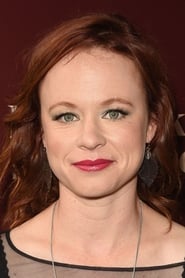 Thora BirchEnid
 Scarlett JohanssonRebecca
 Steve BuscemiSeymour
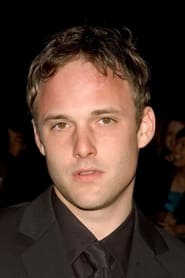 Brad RenfroJosh
 Illeana DouglasRoberta Allsworth
 Bob BalabanEnid's Dad
 Stacey TravisDana
 Charles C. Stevenson Jr.Norman
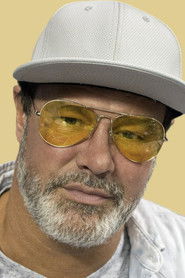 Dave SheridanDoug
 Tom McGowanJoe
 Debra AzarMelora
 Brian GeorgeSidewinder Boss
 David KitayComposer
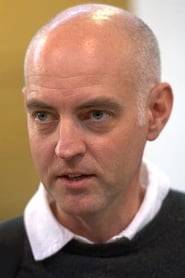 Daniel ClowesWriter
 Affonso BeatoCinematography
Ghost World
Two quirky, cynical, teenaged girls try to figure out what to do with their lives following high school graduation. After they play a prank on an eccentric, middle-aged record collector, one of them befriends him, which causes a rift in the girls’ friendship.
What critics thought
Ghost World landed as one of the most acclaimed American films of 2001, with critics singling out Thora Birch's deadpan precision and the script's refusal to sentimentalize teenage alienation. The sharpest disagreement was over Enid herself — whether she's a brilliantly observed misfit or simply a smug, cruel teenager who gets a free pass — and comics devotees raised a separate objection: that the adaptation trades the source material's aimless mystery for Hollywood plot mechanics.
“I found Enid smug, complacent, cruel, deceitful, thoughtless, malicious and disloyal... Enid's favorite targets are people who are older, poorer, or dumber than she is.”
Andrew Sarris·The New York Observer
“If Zwigoff doesn't always make his movie move (he's overly faithful to the concept of the cartoon panel), he has a gift for connecting us to people who aren't obviously likable, then making us see the urgency of that connection.”
Manohla Dargis·LA Weekly
“Some of the comic's air of aimless mystery has been paved over with the semblance of a Hollywood plot, and to that extent, the movie is a lesser work than the comic. But it's still a far better movie than we had a right to expect.”
Michael Dean·The Comics Journal
“Unlike those shrill, hard-sell teen comedies on the other screens, Ghost World never becomes the kind of empty, defensive snark-fest that it targets. Clowes and Zwigoff keep the organic pace of the original, and its empathic exploration of painfully changing relationships.”
Andrew D. Arnold·Time
Accolades
Genres
Comedy, Drama
Cast & Crew
Terry ZwigoffDirectorThora BirchEnidScarlett JohanssonRebeccaSteve BuscemiSeymourBrad RenfroJoshIlleana DouglasRoberta AllsworthBob BalabanEnid's DadStacey TravisDanaCharles C. Stevenson Jr.NormanDave SheridanDougTom McGowanJoeDebra AzarMeloraBrian GeorgeSidewinder BossDavid KitayComposerDaniel ClowesWriterAffonso BeatoCinematographyStream
Rent & Buy