Any Given Sunday
Rent & Buy


A star quarterback gets knocked out of the game and an unknown third stringer is called in to replace him. The unknown gives a stunning performance and forces the aging coach to reevaluate his game plans and life. A new co-owner/president adds to the pressure of winning. The new owner must prove herself in a male dominated world.
What critics thought
Oliver Stone's football epic divided critics almost evenly, with the film's aggressive, hyperkinetic visual style being the central battleground — some found it electrifying and evidence of Stone at his best, others found it an exhausting mannerism that buried an otherwise formulaic story. Even admirers often conceded the film runs far too long, while detractors felt its relentless sensory assault added up to less than its many promising parts.
“A surprisingly balanced film that merges Stone's hyperkinetic style with a character-centric narrative approach reminiscent of John Sayles and Robert Altman at their best, Sunday proves that powerful human drama and MTV visual pyrotechnics actually can coexist after all.”
Andrew Johnston·Time Out
“I guess I recommend the movie because the dramatic scenes are worth it. Pacino has some nice heart-to-hearts with Quaid and Foxx, and the psychology of the veteran coach is well-captured in the screenplay by Stone and John Logan. But if some studio executive came along and made Stone cut his movie down to two hours, I have the strangest feeling it wouldn't lose much of substance and might even play better.”
Roger Ebert·Chicago Sun-Times
“(a)lmost three hours of this jitter deteriorates from bravura filmmaking to annoying mannerism, and Any Given Sunday ends up less than the sum of its many, often interesting parts.”
Richard Schickel·Time
“the sensation we get from the blizzard of images and teeth-jarring sound effects is of having our head used as the football”
Jack Matthews·New York Daily News
“kinetic furor of the game sequences helps camouflage the weaknesses of a screenplay that is a mechanically contrived series of power struggles”
Stephen Holden·The New York Times
Parents guide
- Violence
- moderate
- Sex
- moderate
- Profanity
- severe
- Substances
- moderate
- Intensity
- mild
Genres
Drama
Cast & Crew
 Oliver StoneDirector
 Al PacinoTony D'Amato
 Cameron DiazChristina Pagniacci
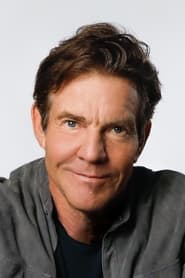 Dennis QuaidJack 'Cap' Rooney
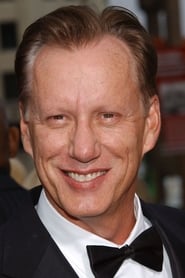 James WoodsDr. Harvey Mandrake
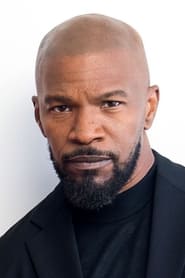 Jamie FoxxWillie Beamen
 LL Cool JJulian Washington
 Matthew ModineDr. Ollie Powers
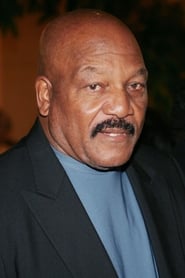 Jim BrownMontezuma Monroe
 Lawrence TaylorLuther 'Shark' Lavay
 Bill BellamyJimmy Sanderson
 Andrew BryniarskiPatrick 'Madman' Kelly
 Lela RochonVanessa Struthers
 Paul KellyComposer
 John LoganWriter
 Salvatore TotinoCinematography
Any Given Sunday
A star quarterback gets knocked out of the game and an unknown third stringer is called in to replace him. The unknown gives a stunning performance and forces the aging coach to reevaluate his game plans and life. A new co-owner/president adds to the pressure of winning. The new owner must prove herself in a male dominated world.
What critics thought
Oliver Stone's football epic divided critics almost evenly, with the film's aggressive, hyperkinetic visual style being the central battleground — some found it electrifying and evidence of Stone at his best, others found it an exhausting mannerism that buried an otherwise formulaic story. Even admirers often conceded the film runs far too long, while detractors felt its relentless sensory assault added up to less than its many promising parts.
“A surprisingly balanced film that merges Stone's hyperkinetic style with a character-centric narrative approach reminiscent of John Sayles and Robert Altman at their best, Sunday proves that powerful human drama and MTV visual pyrotechnics actually can coexist after all.”
Andrew Johnston·Time Out
“I guess I recommend the movie because the dramatic scenes are worth it. Pacino has some nice heart-to-hearts with Quaid and Foxx, and the psychology of the veteran coach is well-captured in the screenplay by Stone and John Logan. But if some studio executive came along and made Stone cut his movie down to two hours, I have the strangest feeling it wouldn't lose much of substance and might even play better.”
Roger Ebert·Chicago Sun-Times
“(a)lmost three hours of this jitter deteriorates from bravura filmmaking to annoying mannerism, and Any Given Sunday ends up less than the sum of its many, often interesting parts.”
Richard Schickel·Time
“the sensation we get from the blizzard of images and teeth-jarring sound effects is of having our head used as the football”
Jack Matthews·New York Daily News
“kinetic furor of the game sequences helps camouflage the weaknesses of a screenplay that is a mechanically contrived series of power struggles”
Stephen Holden·The New York Times
Parents guide
- Violence
- moderate
- Sex
- moderate
- Profanity
- severe
- Substances
- moderate
- Intensity
- mild
Genres
Drama
Cast & Crew
Oliver StoneDirectorAl PacinoTony D'AmatoCameron DiazChristina PagniacciDennis QuaidJack 'Cap' RooneyJames WoodsDr. Harvey MandrakeJamie FoxxWillie BeamenLL Cool JJulian WashingtonMatthew ModineDr. Ollie PowersJim BrownMontezuma MonroeLawrence TaylorLuther 'Shark' LavayBill BellamyJimmy SandersonAndrew BryniarskiPatrick 'Madman' KellyLela RochonVanessa StruthersPaul KellyComposerJohn LoganWriterSalvatore TotinoCinematographyRent & Buy