Wild at Heart
Stream

Rent & Buy


Young lovers Sailor and Lula hit the road to start a new life together away from the wrath of Lula’s deranged, disapproving mother, who has hired a team of hitmen to cut the lovers’ surreal honeymoon short.
What critics thought
DivisiveLynch's Palme d'Or winner landed in genuinely mixed territory on release, with critics divided over whether its violent, irony-soaked style was visionary provocation or self-indulgent evasion. The performances of Cage and Dern drew consistent respect, but the film around them sparked real argument — about racism, misogyny, whether Lynch's pop-parody mode was a creative strategy or a cop-out, and whether his striking images added up to anything with actual human stakes.
“If [Lynch] ever goes ahead and makes a film about what's really on his mind, instead of hiding behind sophomoric humor and the cop-out of 'parody', he may realize the early promise of his Eraserhead. But he likes the box office prizes that go along with his pop satires, so he makes dishonest movies like this one.”
Roger Ebert·Chicago Sun-Times
“This attempt at a one-up also trumpets its weirdness, but this time the agenda seems forced.”
Mike Clark·USA Today
“Perhaps the major problem is that despite Cage and Dern's best efforts, Lynch is ultimately interested only in iconography, not characters at all. When it comes to images of evil, corruption, derangement, raw passion and mutilation (roughly in that order), Wild at Heart is a veritable cornucopia.”
Jonathan Rosenbaum·Sight & Sound
“Lynch's characters are now so cartoony, one is prone to address him more as a theorist than director, except he is not that challenging...one is never sure what Lynch likes or dislikes, and his often striking images are too often lacking in compassion for us to accept him as a chronicler of a moribund landscape a la Fellini.”
Christopher Sharrett·Cinéaste
“a bonfire of a movie that confirms [Lynch's] reputation as the most exciting and innovative filmmaker of his generation.”
Peter Travers·Rolling Stone
Accolades
Parents guide
- Violence
- severe
- Sex
- severe
- Profanity
- severe
- Substances
- moderate
- Intensity
- severe
Genres
Crime, Thriller, Romance
Cast & Crew
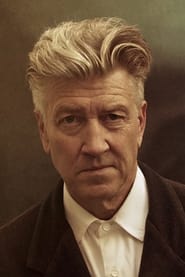 David LynchDirector
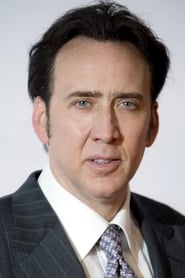 Nicolas CageSailor
 Laura DernLula
 Willem DafoeBobby Peru
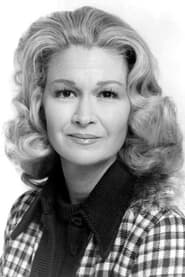 Diane LaddMarietta Fortune
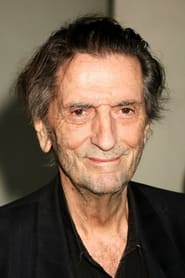 Harry Dean StantonJohnnie Farragut
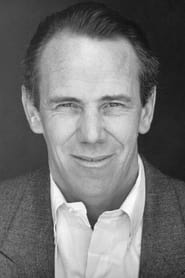 J.E. FreemanMarcelles Santos
 Isabella RosselliniPerdita Durango
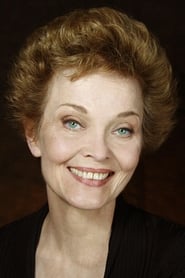 Grace ZabriskieJuana Durango
 Calvin LockhartReggie
 William Morgan SheppardMr. Reindeer
 Crispin GloverDell
 Sheryl LeeThe Good Witch
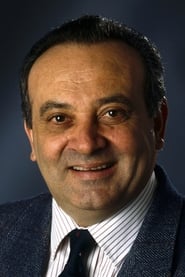 Angelo BadalamentiComposer
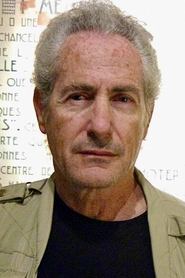 Barry GiffordWriter
 Frederick ElmesCinematography
Wild at Heart
Young lovers Sailor and Lula hit the road to start a new life together away from the wrath of Lula’s deranged, disapproving mother, who has hired a team of hitmen to cut the lovers’ surreal honeymoon short.
What critics thought
DivisiveLynch's Palme d'Or winner landed in genuinely mixed territory on release, with critics divided over whether its violent, irony-soaked style was visionary provocation or self-indulgent evasion. The performances of Cage and Dern drew consistent respect, but the film around them sparked real argument — about racism, misogyny, whether Lynch's pop-parody mode was a creative strategy or a cop-out, and whether his striking images added up to anything with actual human stakes.
“If [Lynch] ever goes ahead and makes a film about what's really on his mind, instead of hiding behind sophomoric humor and the cop-out of 'parody', he may realize the early promise of his Eraserhead. But he likes the box office prizes that go along with his pop satires, so he makes dishonest movies like this one.”
Roger Ebert·Chicago Sun-Times
“This attempt at a one-up also trumpets its weirdness, but this time the agenda seems forced.”
Mike Clark·USA Today
“Perhaps the major problem is that despite Cage and Dern's best efforts, Lynch is ultimately interested only in iconography, not characters at all. When it comes to images of evil, corruption, derangement, raw passion and mutilation (roughly in that order), Wild at Heart is a veritable cornucopia.”
Jonathan Rosenbaum·Sight & Sound
“Lynch's characters are now so cartoony, one is prone to address him more as a theorist than director, except he is not that challenging...one is never sure what Lynch likes or dislikes, and his often striking images are too often lacking in compassion for us to accept him as a chronicler of a moribund landscape a la Fellini.”
Christopher Sharrett·Cinéaste
“a bonfire of a movie that confirms [Lynch's] reputation as the most exciting and innovative filmmaker of his generation.”
Peter Travers·Rolling Stone
Accolades
Parents guide
- Violence
- severe
- Sex
- severe
- Profanity
- severe
- Substances
- moderate
- Intensity
- severe
Genres
Crime, Thriller, Romance
Cast & Crew
David LynchDirectorNicolas CageSailorLaura DernLulaWillem DafoeBobby PeruDiane LaddMarietta FortuneHarry Dean StantonJohnnie FarragutJ.E. FreemanMarcelles SantosIsabella RosselliniPerdita DurangoGrace ZabriskieJuana DurangoCalvin LockhartReggieWilliam Morgan SheppardMr. ReindeerCrispin GloverDellSheryl LeeThe Good WitchAngelo BadalamentiComposerBarry GiffordWriterFrederick ElmesCinematographyStream
Rent & Buy