The Ninth Gate


A rare book dealer finds himself at the heart of a string of paranormal events when he is hired to find the last two copies of a text, The Nine Gates of the Kingdom of Shadows, capable of summoning the Devil.
What critics thought
DivisiveAmerican critics largely dismissed The Ninth Gate as a slow, ludicrous thriller that wastes its atmospheric style on a story that never pays off, while European reviewers were considerably more sympathetic to its deliberate pace and ironic tone — a transatlantic split that defines the film's reputation. The ending drew particular frustration, with many feeling Polanski built tension toward a revelation that simply never arrives. Depp's performance is almost the one point of agreement, though even that divides people: some see it as the film's lone asset, others as embodying the story's fundamental unpleasantness.
“while at the end, I didn't yearn for spectacular special effects, I did wish for spectacular information — something awesome, not just a fade-to-white”
Roger Ebert·Chicago Sun-Times
“about as scary as a sock-puppet re-enactment of The Blair Witch Project, and not nearly as funny”
Elvis Mitchell·The New York Times
“aroma of middle-brow, art-house Euro-rot, a whiff of decay and hauteur in a film not even a star as foxed, and foxy, as Johnny Depp, himself, could save”
Lisa Schwarzbaum·Entertainment Weekly
“not particularly liked at first outing — partly because Johnny Depp, in fake grey temples, personifies the odious Corso of the book a little too accurately — the film is intricately well-made, deserves a second chance, despite its disintegrations, and, in time, will undoubtedly acquire its own coven of heretical fans”
Phillip Strick·Sight and Sound
“Polanski's sly sense of film-noir conventions pokes fun at the genre, while, at the same time, honoring it”
Bob Graham·San Francisco Chronicle
Genres
Mystery, Thriller
Cast & Crew
 Roman PolanskiDirector
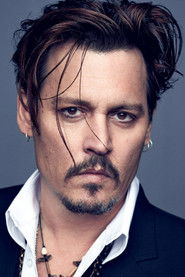 Johnny DeppDean Corso
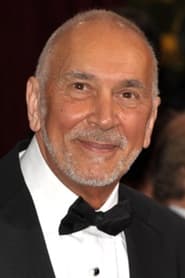 Frank LangellaBoris Balkan
 Lena OlinLiana Telfer
 Emmanuelle SeignerThe Girl
 Barbara JeffordBaroness Kessler
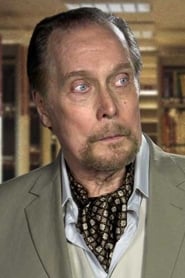 Jack TaylorVictor Fargas
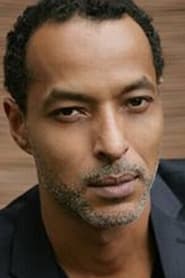 Tony AmoniLiana's Bodyguard
 James RussoBernie
 Willy HoltAndrew Telfer
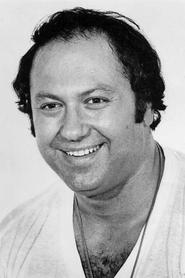 Allen GarfieldWitkin
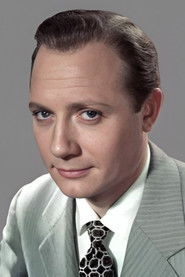 Jacques DacqmineOld Man
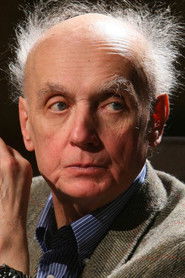 Wojciech KilarComposer
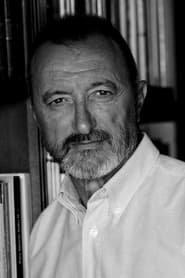 Arturo Pérez-ReverteWriter
 Enrique UrbizuWriter
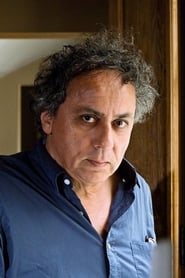 Darius KhondjiCinematography
The Ninth Gate
A rare book dealer finds himself at the heart of a string of paranormal events when he is hired to find the last two copies of a text, The Nine Gates of the Kingdom of Shadows, capable of summoning the Devil.
What critics thought
DivisiveAmerican critics largely dismissed The Ninth Gate as a slow, ludicrous thriller that wastes its atmospheric style on a story that never pays off, while European reviewers were considerably more sympathetic to its deliberate pace and ironic tone — a transatlantic split that defines the film's reputation. The ending drew particular frustration, with many feeling Polanski built tension toward a revelation that simply never arrives. Depp's performance is almost the one point of agreement, though even that divides people: some see it as the film's lone asset, others as embodying the story's fundamental unpleasantness.
“while at the end, I didn't yearn for spectacular special effects, I did wish for spectacular information — something awesome, not just a fade-to-white”
Roger Ebert·Chicago Sun-Times
“about as scary as a sock-puppet re-enactment of The Blair Witch Project, and not nearly as funny”
Elvis Mitchell·The New York Times
“aroma of middle-brow, art-house Euro-rot, a whiff of decay and hauteur in a film not even a star as foxed, and foxy, as Johnny Depp, himself, could save”
Lisa Schwarzbaum·Entertainment Weekly
“not particularly liked at first outing — partly because Johnny Depp, in fake grey temples, personifies the odious Corso of the book a little too accurately — the film is intricately well-made, deserves a second chance, despite its disintegrations, and, in time, will undoubtedly acquire its own coven of heretical fans”
Phillip Strick·Sight and Sound
“Polanski's sly sense of film-noir conventions pokes fun at the genre, while, at the same time, honoring it”
Bob Graham·San Francisco Chronicle
Genres
Mystery, Thriller
Cast & Crew
Roman PolanskiDirectorJohnny DeppDean CorsoFrank LangellaBoris BalkanLena OlinLiana TelferEmmanuelle SeignerThe GirlBarbara JeffordBaroness KesslerJack TaylorVictor FargasTony AmoniLiana's BodyguardJames RussoBernieWilly HoltAndrew TelferAllen GarfieldWitkinJacques DacqmineOld ManWojciech KilarComposerArturo Pérez-ReverteWriterEnrique UrbizuWriterDarius KhondjiCinematography