The Butler
Rent & Buy


Cecil Gaines was a sharecropper's son who grew up in the 1920s as a domestic servant for the white family who casually destroyed his. Eventually striking out on his own, Cecil becomes a hotel valet of such efficiency and discreteness in the 1950s that he becomes a butler in the White House itself. There, Cecil would serve numerous US Presidents over the decades as a passive witness of history with the American Civil Rights Movement gaining momentum even as his family has troubles of its own. As his wife, Gloria, struggles with alcoholism and his defiant eldest son, Louis, strives for a just world, Cecil must decide whether he should take action in his own way.
What critics thought
Forest Whitaker's performance is the film's most consistent point of praise, but critics divided sharply over whether Lee Daniels earns his emotional ambitions or simply manufactures them. The broad strokes of American history filtered through one man's life drew Forrest Gump comparisons from several reviewers, and the film's tendency to underline every point with unmistakable force left some admiring its scope while others found it sledgehammer-obvious.
“Even with all contrivances and obvious point-making and familiar historical signposting, Daniels' The Butler is always engaging, often entertaining and certainly never dull.”
Todd McCarthy·The Hollywood Reporter
“reflective, powerfully understated performance...fills this flawed film with potency and purpose”
Rolling Stone
“It's inspiring and filled with fine performances, but the insistently swelling musical score and melodramatic moments seem calculated and undercut a powerful story”
USA Today
“An ambitious and overdue attempt to create a Hollywood-style epic around the experience of black Americans in general and the civil rights movement in particular, it undercuts itself by hitting its points squarely on the nose with a 9-pound hammer.”
Kenneth Turan·Los Angeles Times
Genres
Biography, Drama
Cast & Crew
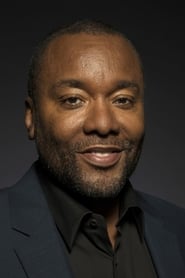 Lee DanielsDirector
 Forest WhitakerCecil Gaines
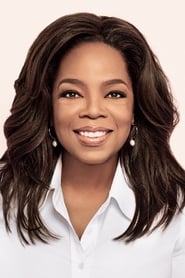 Oprah WinfreyGloria Gaines
 David OyelowoLouis Gaines
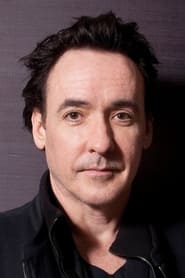 John CusackRichard Nixon
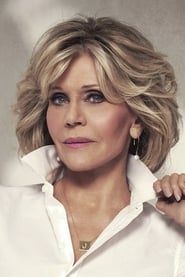 Jane FondaNancy Reagan
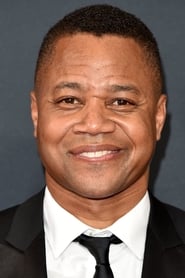 Cuba Gooding Jr.Carter Wilson
 Mariah CareyHattie Pearl
 Terrence HowardHoward
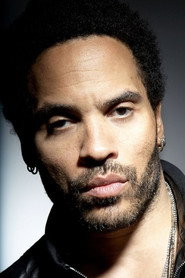 Lenny KravitzJames Holloway
 Aml AmeenCecil Gaines (15)
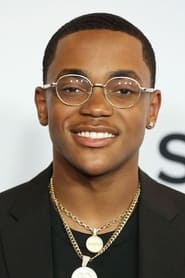 Michael Rainey Jr.Cecil Gaines (8)
 James MarsdenJohn F. Kennedy
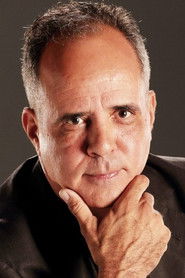 Rodrigo LeãoComposer
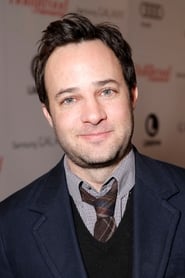 Danny StrongWriter
 Andrew DunnCinematography
The Butler
Cecil Gaines was a sharecropper's son who grew up in the 1920s as a domestic servant for the white family who casually destroyed his. Eventually striking out on his own, Cecil becomes a hotel valet of such efficiency and discreteness in the 1950s that he becomes a butler in the White House itself. There, Cecil would serve numerous US Presidents over the decades as a passive witness of history with the American Civil Rights Movement gaining momentum even as his family has troubles of its own. As his wife, Gloria, struggles with alcoholism and his defiant eldest son, Louis, strives for a just world, Cecil must decide whether he should take action in his own way.
What critics thought
Forest Whitaker's performance is the film's most consistent point of praise, but critics divided sharply over whether Lee Daniels earns his emotional ambitions or simply manufactures them. The broad strokes of American history filtered through one man's life drew Forrest Gump comparisons from several reviewers, and the film's tendency to underline every point with unmistakable force left some admiring its scope while others found it sledgehammer-obvious.
“Even with all contrivances and obvious point-making and familiar historical signposting, Daniels' The Butler is always engaging, often entertaining and certainly never dull.”
Todd McCarthy·The Hollywood Reporter
“reflective, powerfully understated performance...fills this flawed film with potency and purpose”
Rolling Stone
“It's inspiring and filled with fine performances, but the insistently swelling musical score and melodramatic moments seem calculated and undercut a powerful story”
USA Today
“An ambitious and overdue attempt to create a Hollywood-style epic around the experience of black Americans in general and the civil rights movement in particular, it undercuts itself by hitting its points squarely on the nose with a 9-pound hammer.”
Kenneth Turan·Los Angeles Times
Genres
Biography, Drama
Cast & Crew
Lee DanielsDirectorForest WhitakerCecil GainesOprah WinfreyGloria GainesDavid OyelowoLouis GainesJohn CusackRichard NixonJane FondaNancy ReaganCuba Gooding Jr.Carter WilsonMariah CareyHattie PearlTerrence HowardHowardLenny KravitzJames HollowayAml AmeenCecil Gaines (15)Michael Rainey Jr.Cecil Gaines (8)James MarsdenJohn F. KennedyRodrigo LeãoComposerDanny StrongWriterAndrew DunnCinematographyRent & Buy