Labyrinth


Frustrated with babysitting on yet another weekend night, Sarah, a teenager with an active imagination, summons the Goblins to take her baby stepbrother away. When little Toby actually disappears, Sarah must follow him into a fantastical world to rescue him from the Goblin King. Guarding his castle is the labyrinth itself, a twisted maze of deception, populated with outrageous characters and unknown dangers.
What critics thought
DivisiveCritics in 1986 were genuinely split: the puppetry and visual craft drew near-universal admiration, but the thin plot, mixed feelings about Jennifer Connelly's performance, and David Bowie's deliberately artificial screen presence divided reviewers sharply. The film's coming-of-age subtext — Sarah's journey as a pubescent awakening — was noticed by several critics but judged too muted to fully register. Decades of reappraisal have reversed the original mixed verdict, and the film now commands a devoted following that contemporary reviews never predicted.
“never really comes alive”
Roger Ebert·Rogerebert.com
“the sight of a baby in peril is one of sleaziest gimmicks a film can employ to gain our attention, but Henson does it”
Gene Siskel·Chicago Tribune
“the casting of Bowie can't be faulted on any count. He has just the right look for a creature who's the object of both loathing and secret desire”
Bruce Bailey·The Montreal Gazette
“Bowie forgoes acting, preferring to prance around his lair while staring solemnly into the camera. He's not exactly wooden. Plastic might be a more accurate description”
Hal Lipper·St. Petersburg Times
“A couple of scenes along the quest are truly eerie. Others are doggedly sentimental”
Colin Greenland·White Dwarf
Genres
Adventure, Family, Fantasy
Cast & Crew
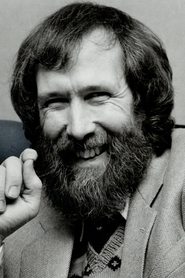 Jim HensonDirector
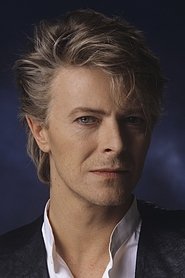 David BowieJareth
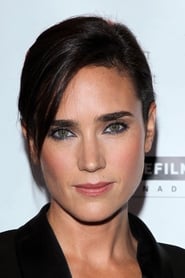 Jennifer ConnellySarah
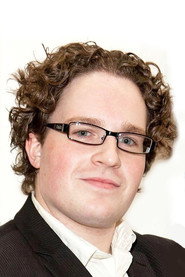 Toby FroudToby
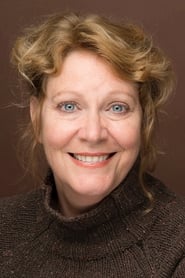 Shelley ThompsonStepmother
 Christopher MalcolmFather
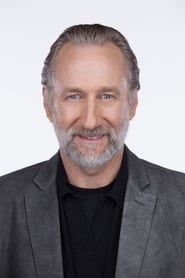 Brian HensonHoggle / Goblin (voice)
 David ShaughnessyDidymus / The Hat
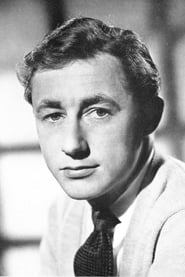 Timothy BatesonThe Worm / Goblin (voice)
 Denise BryerThe Junk Lady (voice)
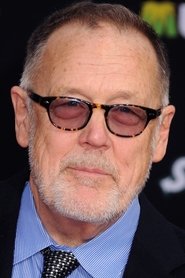 Dave GoelzDidymus / The Hat / The Four Guards / Left Door Knocker / Firey 3 (voice)
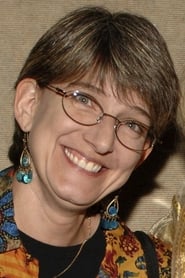 Karen PrellThe Worm / The Junk Lady / Firey 2
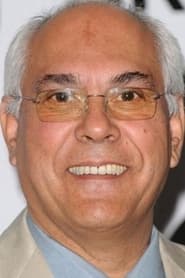 Trevor JonesComposer
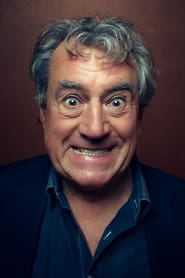 Terry JonesWriter
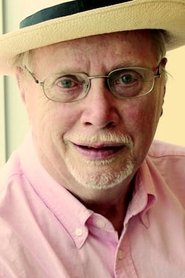 Dennis LeeWriter
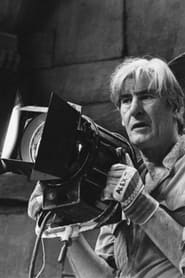 Alex ThomsonCinematography
From the studio
Labyrinth
Frustrated with babysitting on yet another weekend night, Sarah, a teenager with an active imagination, summons the Goblins to take her baby stepbrother away. When little Toby actually disappears, Sarah must follow him into a fantastical world to rescue him from the Goblin King. Guarding his castle is the labyrinth itself, a twisted maze of deception, populated with outrageous characters and unknown dangers.
What critics thought
DivisiveCritics in 1986 were genuinely split: the puppetry and visual craft drew near-universal admiration, but the thin plot, mixed feelings about Jennifer Connelly's performance, and David Bowie's deliberately artificial screen presence divided reviewers sharply. The film's coming-of-age subtext — Sarah's journey as a pubescent awakening — was noticed by several critics but judged too muted to fully register. Decades of reappraisal have reversed the original mixed verdict, and the film now commands a devoted following that contemporary reviews never predicted.
“never really comes alive”
Roger Ebert·Rogerebert.com
“the sight of a baby in peril is one of sleaziest gimmicks a film can employ to gain our attention, but Henson does it”
Gene Siskel·Chicago Tribune
“the casting of Bowie can't be faulted on any count. He has just the right look for a creature who's the object of both loathing and secret desire”
Bruce Bailey·The Montreal Gazette
“Bowie forgoes acting, preferring to prance around his lair while staring solemnly into the camera. He's not exactly wooden. Plastic might be a more accurate description”
Hal Lipper·St. Petersburg Times
“A couple of scenes along the quest are truly eerie. Others are doggedly sentimental”
Colin Greenland·White Dwarf
Genres
Adventure, Family, Fantasy
Cast & Crew
Jim HensonDirectorDavid BowieJarethJennifer ConnellySarahToby FroudTobyShelley ThompsonStepmotherChristopher MalcolmFatherBrian HensonHoggle / Goblin (voice)David ShaughnessyDidymus / The HatTimothy BatesonThe Worm / Goblin (voice)Denise BryerThe Junk Lady (voice)Dave GoelzDidymus / The Hat / The Four Guards / Left Door Knocker / Firey 3 (voice)Karen PrellThe Worm / The Junk Lady / Firey 2Trevor JonesComposerTerry JonesWriterDennis LeeWriterAlex ThomsonCinematography