Pearl Harbor
Rent & Buy


The lifelong friendship between Rafe McCawley and Danny Walker is put to the ultimate test when the two ace fighter pilots become entangled in a love triangle with beautiful Naval nurse Evelyn Johnson. But the rivalry between the friends-turned-foes is immediately put on hold when they find themselves at the center of Japan's devastating attack on Pearl Harbor on Dec. 7, 1941.
What critics thought
Critics were nearly unanimous in dismissing the romance at Pearl Harbor's center as laughably written and inert, with most major reviewers treating the film as a cynical Titanic imitation that mistakes spectacle for emotion. The 40-minute attack sequence earned grudging respect as technically impressive, but critics split sharply over whether that sequence — or anything else in the film — could redeem nearly two hours of deadweight storytelling surrounding it. Audiences at the time were far kinder than critics, a gap that has only widened as the film's reputation has settled into something of a cautionary tale about blockbuster formula over substance.
“Pearl Harbor is a two-hour movie squeezed into three hours, about how, on Dec. 7, 1941, the Japanese staged a surprise attack on an American love triangle. Its centerpiece is 40 minutes of redundant special effects, surrounded by a love story of stunning banality. The film has been directed without grace, vision, or originality, and although you may walk out quoting lines of dialogue, it will not be because you admire them.”
Roger Ebert·Chicago Sun-Times
“Ships, planes and water combust and collide in Pearl Harbor, but nothing else does in one of the wimpiest wartime romances ever filmed.”
Mike Clark·USA Today
“Bay's staging is spectacular but also honorable in its scary, hurtling exactitude. ... There are startling point-of-view shots of torpedoes dropping into the water and speeding toward their targets, and though Bay visualizes it all with a minimum of graphic carnage, he invites us to register the terror of the men standing helplessly on deck, the horrifying split-second deliverance as bodies go flying and explosions reduce entire battleships to liquid walls of collapsing metal.”
Owen Gleiberman·Entertainment Weekly
“It requires a lot of patience for an audience to sit through the dithering. They're nice kids and all that, but they don't exactly claw madly at one another. It's as if they know that someday they're going to be part of "the Greatest Generation" and don't want to offend Tom Brokaw. Besides, megahistory and personal history never integrate here.”
Richard Schickel·Time
“here is the ironic twist in my acceptance of Pearl Harbor – the parts I liked most are the parts before and after the digital destruction of Pearl Harbor by the Japanese carrier planes”
Andrew Sarris·The New York Observer
Accolades
Genres
Action, Drama, Romance
Cast & Crew
 Michael BayDirector
 Ben AffleckRafe McCawley
 Josh HartnettDanny Walker
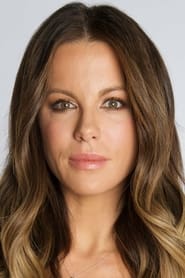 Kate BeckinsaleEvelyn Johnson
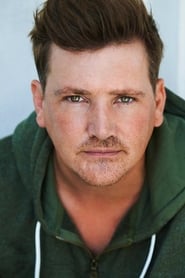 William Lee ScottBilly
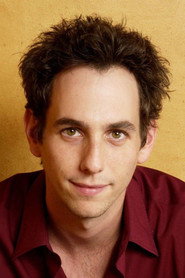 Greg ZolaAnthony Fusco
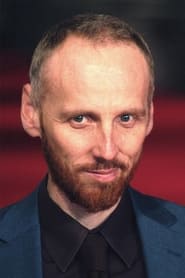 Ewen BremnerRed
 Alec BaldwinDoolittle
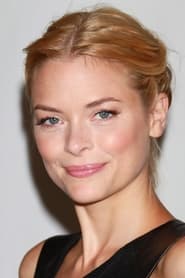 Jaime KingBetty
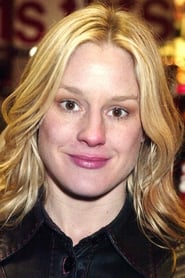 Catherine KellnerBarbara
 Jennifer GarnerSandra
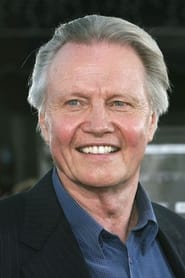 Jon VoightPresident Roosevelt
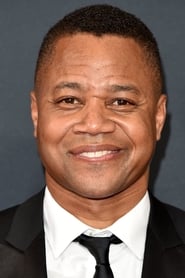 Cuba Gooding Jr.Dorie Miller
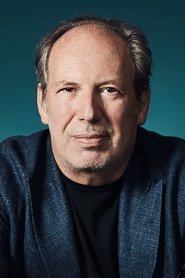 Hans ZimmerComposer
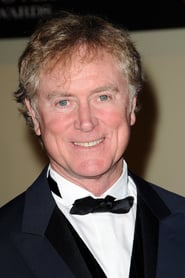 Randall WallaceWriter
 John SchwartzmanCinematography
Pearl Harbor
The lifelong friendship between Rafe McCawley and Danny Walker is put to the ultimate test when the two ace fighter pilots become entangled in a love triangle with beautiful Naval nurse Evelyn Johnson. But the rivalry between the friends-turned-foes is immediately put on hold when they find themselves at the center of Japan's devastating attack on Pearl Harbor on Dec. 7, 1941.
What critics thought
Critics were nearly unanimous in dismissing the romance at Pearl Harbor's center as laughably written and inert, with most major reviewers treating the film as a cynical Titanic imitation that mistakes spectacle for emotion. The 40-minute attack sequence earned grudging respect as technically impressive, but critics split sharply over whether that sequence — or anything else in the film — could redeem nearly two hours of deadweight storytelling surrounding it. Audiences at the time were far kinder than critics, a gap that has only widened as the film's reputation has settled into something of a cautionary tale about blockbuster formula over substance.
“Pearl Harbor is a two-hour movie squeezed into three hours, about how, on Dec. 7, 1941, the Japanese staged a surprise attack on an American love triangle. Its centerpiece is 40 minutes of redundant special effects, surrounded by a love story of stunning banality. The film has been directed without grace, vision, or originality, and although you may walk out quoting lines of dialogue, it will not be because you admire them.”
Roger Ebert·Chicago Sun-Times
“Ships, planes and water combust and collide in Pearl Harbor, but nothing else does in one of the wimpiest wartime romances ever filmed.”
Mike Clark·USA Today
“Bay's staging is spectacular but also honorable in its scary, hurtling exactitude. ... There are startling point-of-view shots of torpedoes dropping into the water and speeding toward their targets, and though Bay visualizes it all with a minimum of graphic carnage, he invites us to register the terror of the men standing helplessly on deck, the horrifying split-second deliverance as bodies go flying and explosions reduce entire battleships to liquid walls of collapsing metal.”
Owen Gleiberman·Entertainment Weekly
“It requires a lot of patience for an audience to sit through the dithering. They're nice kids and all that, but they don't exactly claw madly at one another. It's as if they know that someday they're going to be part of "the Greatest Generation" and don't want to offend Tom Brokaw. Besides, megahistory and personal history never integrate here.”
Richard Schickel·Time
“here is the ironic twist in my acceptance of Pearl Harbor – the parts I liked most are the parts before and after the digital destruction of Pearl Harbor by the Japanese carrier planes”
Andrew Sarris·The New York Observer
Accolades
Genres
Action, Drama, Romance
Cast & Crew
Michael BayDirectorBen AffleckRafe McCawleyJosh HartnettDanny WalkerKate BeckinsaleEvelyn JohnsonWilliam Lee ScottBillyGreg ZolaAnthony FuscoEwen BremnerRedAlec BaldwinDoolittleJaime KingBettyCatherine KellnerBarbaraJennifer GarnerSandraJon VoightPresident RooseveltCuba Gooding Jr.Dorie MillerHans ZimmerComposerRandall WallaceWriterJohn SchwartzmanCinematographyRent & Buy