Marie Antoinette
Stream

Rent & Buy


A retelling of the story of France’s iconic but ill-fated queen, Marie Antoinette - from her betrothal and marriage to Louis XVI at fifteen to her reign as queen at nineteen and ultimately the fall of Versailles.
What critics thought
Coppola's deliberately anachronistic take on the doomed queen is a film critics either surrendered to or resented — the central argument was whether its total subordination of history and character to sensation and atmosphere was an act of artistic vision or an elaborate evasion. French critics were particularly divided, with some calling it a Palme d'Or-worthy portrait of adolescent alienation and others dismissing it as a glossy fantasy disconnected from historical reality. Audience reaction was similarly cool, though the film has found warmer appreciation in the years since its release.
“every criticism I have read of this film would alter its fragile magic and reduce its romantic and tragic poignancy to the level of an instructional film”
Roger Ebert·RogerEbert.com
“The absence of political context ... upset most critics of Marie Antoinette, director Sofia Coppola's featherweight follow-up to Lost in Translation. Her historical biopic plays like a pop video, with Kirsten Dunst as the doomed 18th century French queen acting like a teenage flibbertigibbet intent on being the leader of the cool kids' club.”
Leah Rozen·People
“Transformed into a sanctuary for the senses, the microcosm of power becomes this moving drama of first emotions and Marie Antoinette, the most delicate of looks on adolescence”
Philippe Paumier·Rolling Stone
“a script which is often forgotten to the corruption of becoming a special issue of Vogue devoted to scenes of Versailles”
Alex Masson·Score
Accolades
Genres
Biography, Drama, History
Cast & Crew
 Sofia CoppolaDirector
 Kirsten DunstMarie Antoinette
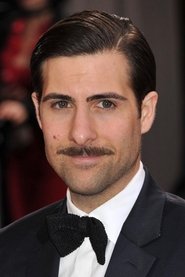 Jason SchwartzmanLouis XVI
 Steve CooganAmbassador Mercy
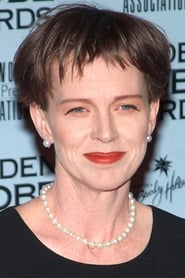 Judy DavisComtesse de Noailles
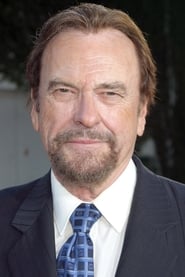 Rip TornLouis XV
 Asia ArgentoComtesse du Barry
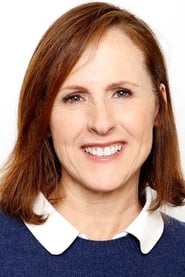 Molly ShannonAunt Victoire
 Shirley HendersonAunt Sophie
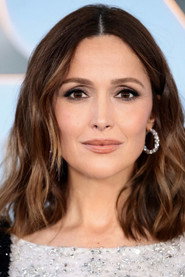 Rose ByrneDuchesse de Polignac
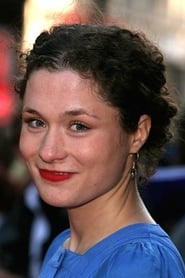 Mary NighyPrincesse Lamballe
 Danny HustonEmperor Joseph
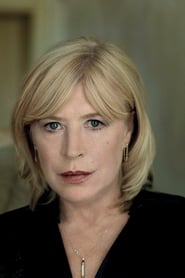 Marianne FaithfullMaria Teresa
 Dustin O'HalloranComposer
 Lance AcordCinematography
Marie Antoinette
A retelling of the story of France’s iconic but ill-fated queen, Marie Antoinette - from her betrothal and marriage to Louis XVI at fifteen to her reign as queen at nineteen and ultimately the fall of Versailles.
What critics thought
Coppola's deliberately anachronistic take on the doomed queen is a film critics either surrendered to or resented — the central argument was whether its total subordination of history and character to sensation and atmosphere was an act of artistic vision or an elaborate evasion. French critics were particularly divided, with some calling it a Palme d'Or-worthy portrait of adolescent alienation and others dismissing it as a glossy fantasy disconnected from historical reality. Audience reaction was similarly cool, though the film has found warmer appreciation in the years since its release.
“every criticism I have read of this film would alter its fragile magic and reduce its romantic and tragic poignancy to the level of an instructional film”
Roger Ebert·RogerEbert.com
“The absence of political context ... upset most critics of Marie Antoinette, director Sofia Coppola's featherweight follow-up to Lost in Translation. Her historical biopic plays like a pop video, with Kirsten Dunst as the doomed 18th century French queen acting like a teenage flibbertigibbet intent on being the leader of the cool kids' club.”
Leah Rozen·People
“Transformed into a sanctuary for the senses, the microcosm of power becomes this moving drama of first emotions and Marie Antoinette, the most delicate of looks on adolescence”
Philippe Paumier·Rolling Stone
“a script which is often forgotten to the corruption of becoming a special issue of Vogue devoted to scenes of Versailles”
Alex Masson·Score
Accolades
Genres
Biography, Drama, History
Cast & Crew
Sofia CoppolaDirectorKirsten DunstMarie AntoinetteJason SchwartzmanLouis XVISteve CooganAmbassador MercyJudy DavisComtesse de NoaillesRip TornLouis XVAsia ArgentoComtesse du BarryMolly ShannonAunt VictoireShirley HendersonAunt SophieRose ByrneDuchesse de PolignacMary NighyPrincesse LamballeDanny HustonEmperor JosephMarianne FaithfullMaria TeresaDustin O'HalloranComposerLance AcordCinematographyStream
Rent & Buy