Asteroid City
Stream

Rent & Buy


In an American desert town circa 1955, the itinerary of a Junior Stargazer/Space Cadet convention is spectacularly disrupted by world-changing events.
What critics thought
Asteroid City landed as one of Anderson's most polarizing films — enthusiasts found it his most purely itself, a formally dazzling meditation on grief and the unknowable, while detractors felt the nested narrative structure kept them at arm's length from anything emotionally alive. The gap between critics who admired the craft and audiences who felt trapped inside it is wide enough to be the film's defining characteristic.
“The movie rattles cleverly and exhilaratingly along, adroitly absorbing the implications of pathos and loneliness without allowing itself to slow down. It is tempting to consider this savant blankness as some kind of symptom, but I really don't think so: it is the expression of style. And what style it is”
Peter Bradshaw·The Guardian
“[Anderson] remains cinema's most astonishing stylist, the rigour and detail in every frame never better”
John Nugent·Empire
“Even if you regard the latest movie as a box of tricks, you have to admire the nerve with which Johansson, as Midge, delves into that box and plucks out scraps of coolly agonized wit. More deftly than anyone else, she traffics in the to-and-fro between the real and the imagined”
Anthony Lane·The New Yorker
“...[the] extraterrestrial visit results in Asteroid City being placed under quarantine, which means that everyone who has come to town is trapped there. The audience will know just how that feels. 'Asteroid City' looks smashing, but as a movie it's for Anderson die-hards only, and maybe not even too many of them.”
Owen Gleiberman·Variety
“Wes Anderson's Asteroid City is what happens when a filmmaker's world of wonder and whimsy becomes a prison.”
Stephanie Zacharek·Time
Parents guide
- Violence
- mild
- Sex
- moderate
- Profanity
- mild
- Substances
- mild
- Intensity
- mild
Genres
Comedy, Drama, Romance
Cast & Crew
 Wes AndersonDirector
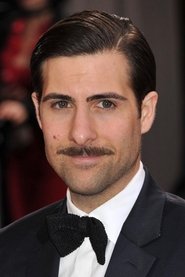 Jason SchwartzmanAugie Steenbeck
 Scarlett JohanssonMidge Campbell
 Tom HanksStanley Zak
 Jeffrey WrightGeneral Gibson
 Tilda SwintonDr. Hickenlooper
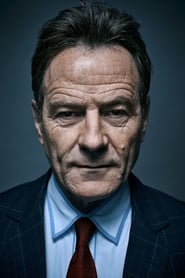 Bryan CranstonThe Host
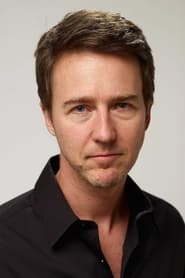 Edward NortonConrad Earp
 Adrien BrodySchubert Green
 Liev SchreiberJ.J. Kellogg
 Hope DavisSandy Borden
 Steve ParkRoger Cho
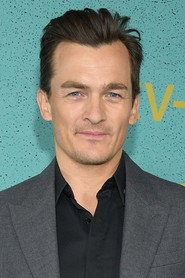 Rupert FriendMontana
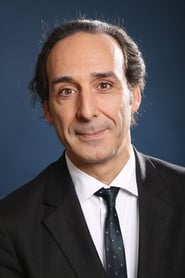 Alexandre DesplatComposer
 Roman CoppolaWriter
 Robert D. YeomanCinematography
 Tristan OliverCinematography
Asteroid City
In an American desert town circa 1955, the itinerary of a Junior Stargazer/Space Cadet convention is spectacularly disrupted by world-changing events.
What critics thought
Asteroid City landed as one of Anderson's most polarizing films — enthusiasts found it his most purely itself, a formally dazzling meditation on grief and the unknowable, while detractors felt the nested narrative structure kept them at arm's length from anything emotionally alive. The gap between critics who admired the craft and audiences who felt trapped inside it is wide enough to be the film's defining characteristic.
“The movie rattles cleverly and exhilaratingly along, adroitly absorbing the implications of pathos and loneliness without allowing itself to slow down. It is tempting to consider this savant blankness as some kind of symptom, but I really don't think so: it is the expression of style. And what style it is”
Peter Bradshaw·The Guardian
“[Anderson] remains cinema's most astonishing stylist, the rigour and detail in every frame never better”
John Nugent·Empire
“Even if you regard the latest movie as a box of tricks, you have to admire the nerve with which Johansson, as Midge, delves into that box and plucks out scraps of coolly agonized wit. More deftly than anyone else, she traffics in the to-and-fro between the real and the imagined”
Anthony Lane·The New Yorker
“...[the] extraterrestrial visit results in Asteroid City being placed under quarantine, which means that everyone who has come to town is trapped there. The audience will know just how that feels. 'Asteroid City' looks smashing, but as a movie it's for Anderson die-hards only, and maybe not even too many of them.”
Owen Gleiberman·Variety
“Wes Anderson's Asteroid City is what happens when a filmmaker's world of wonder and whimsy becomes a prison.”
Stephanie Zacharek·Time
Parents guide
- Violence
- mild
- Sex
- moderate
- Profanity
- mild
- Substances
- mild
- Intensity
- mild
Genres
Comedy, Drama, Romance
Cast & Crew
Wes AndersonDirectorJason SchwartzmanAugie SteenbeckScarlett JohanssonMidge CampbellTom HanksStanley ZakJeffrey WrightGeneral GibsonTilda SwintonDr. HickenlooperBryan CranstonThe HostEdward NortonConrad EarpAdrien BrodySchubert GreenLiev SchreiberJ.J. KelloggHope DavisSandy BordenSteve ParkRoger ChoRupert FriendMontanaAlexandre DesplatComposerRoman CoppolaWriterRobert D. YeomanCinematographyTristan OliverCinematographyStream
Rent & Buy