Hugo
Rent & Buy


Orphaned and alone except for an uncle, Hugo Cabret lives in the walls of a train station in 1930s Paris. Hugo's job is to oil and maintain the station's clocks, but to him, his more important task is to protect a broken automaton and notebook left to him by his late father. Accompanied by the goddaughter of an embittered toy merchant, Hugo embarks on a quest to solve the mystery of the automaton and find a place he can call home.
What critics thought
Scorsese's love letter to early cinema earned broad critical admiration for its visual splendor and sincerity, with 3D deployment singled out as among the best ever seen. The main friction points were pacing — several critics found it overlong and meandering — and whether its passion for film history translates into genuine dramatic momentum or remains a beautifully crafted but somewhat cold artifact.
“a big-budget, family epic in 3-D, and in some ways, a mirror of his own life. We feel a great artist has been given command of the tools and resources he needs to make a movie about—movies.”
Roger Ebert·Chicago Sun-Times
“rich and stimulating even when it wanders”
Michael Phillips·Chicago Tribune
“visually ... is a marvel, but dramatically it's a clockwork lemon”
Joe Morgenstern·The Wall Street Journal
“an odd mixture: a deeply personal impersonal movie”
Peter Rainer·The Christian Science Monitor
“Scorsese's love poem, rendered gorgeously in 3-D, restores both the reputation of an early pioneer and the glory of movie history—the birth of a popular art form given new life through a master's application of the coolest new techniques”
Richard Corliss·Time
Accolades
Genres
Adventure, Drama, Family
Cast & Crew
 Martin ScorseseDirector
 Asa ButterfieldHugo Cabret
 Ben KingsleyGeorges Méliès
 Chloë Grace MoretzIsabelle
 Sacha Baron CohenStation Inspector
 Ray WinstoneUncle Claude
 Emily MortimerLisette
 Christopher LeeMonsieur Labisse
 Helen McCroryMama Jeanne
 Michael StuhlbargRené Tabard
 Frances de la TourMadame Emilie
 Richard GriffithsMonsieur Frick
 Jude LawHugo's Father
 Howard ShoreComposer
 John LoganWriter
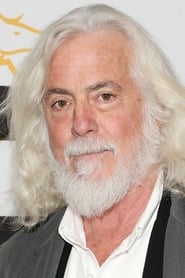 Robert RichardsonCinematography
Hugo
Orphaned and alone except for an uncle, Hugo Cabret lives in the walls of a train station in 1930s Paris. Hugo's job is to oil and maintain the station's clocks, but to him, his more important task is to protect a broken automaton and notebook left to him by his late father. Accompanied by the goddaughter of an embittered toy merchant, Hugo embarks on a quest to solve the mystery of the automaton and find a place he can call home.
What critics thought
Scorsese's love letter to early cinema earned broad critical admiration for its visual splendor and sincerity, with 3D deployment singled out as among the best ever seen. The main friction points were pacing — several critics found it overlong and meandering — and whether its passion for film history translates into genuine dramatic momentum or remains a beautifully crafted but somewhat cold artifact.
“a big-budget, family epic in 3-D, and in some ways, a mirror of his own life. We feel a great artist has been given command of the tools and resources he needs to make a movie about—movies.”
Roger Ebert·Chicago Sun-Times
“rich and stimulating even when it wanders”
Michael Phillips·Chicago Tribune
“visually ... is a marvel, but dramatically it's a clockwork lemon”
Joe Morgenstern·The Wall Street Journal
“an odd mixture: a deeply personal impersonal movie”
Peter Rainer·The Christian Science Monitor
“Scorsese's love poem, rendered gorgeously in 3-D, restores both the reputation of an early pioneer and the glory of movie history—the birth of a popular art form given new life through a master's application of the coolest new techniques”
Richard Corliss·Time
Accolades
Genres
Adventure, Drama, Family
Cast & Crew
Martin ScorseseDirectorAsa ButterfieldHugo CabretBen KingsleyGeorges MélièsChloë Grace MoretzIsabelleSacha Baron CohenStation InspectorRay WinstoneUncle ClaudeEmily MortimerLisetteChristopher LeeMonsieur LabisseHelen McCroryMama JeanneMichael StuhlbargRené TabardFrances de la TourMadame EmilieRichard GriffithsMonsieur FrickJude LawHugo's FatherHoward ShoreComposerJohn LoganWriterRobert RichardsonCinematographyRent & Buy