The Magnificent Seven


An oppressed Mexican peasant village hires seven gunfighters to help defend their homes.
What critics thought
Contemporary critics were mixed-to-positive, with many singling out the film's propulsive first two-thirds before accusing the finale of collapsing into cluttered sentiment — a complaint that echoed across multiple reviews. Decades of television exposure, star-making careers, and Elmer Bernstein's score have since elevated its reputation well beyond its initial reception, making the gap between how critics first received it and how audiences now revere it one of the more striking reversals in Hollywood western history.
“pallid, pretentious and overlong reflection of the Japanese original”
Howard Thompson·The New York Times
“Until the women and children arrive on the scene about two-thirds of the way through, The Magnificent Seven is a rip-roaring rootin' tootin' western with lots of bite and tang and old-fashioned abandon. The last third is downhill, a long and cluttered anti-climax in which The Magnificent Seven grow slightly too magnificent for comfort.”
Variety
“by turns, virile, rowdily funny and then, abruptly, not always predictably, it is pensive, even gentle. John Sturges' direction is superbly staccato; making a knife-sharp use of pauses and silences, it brings out both the humor and melancholy, the humanity as well as the evil inherent in the situation.”
Charles Stinson·Los Angeles Times
“the film manages to be both impressive and likeable.”
The Monthly Film Bulletin
“A superb Western, well acted and crammed full of action, human interest, pathos, suspense, plus some romance and humor.”
Harrison's Reports
Accolades
Genres
Action, Adventure, Drama
Cast & Crew
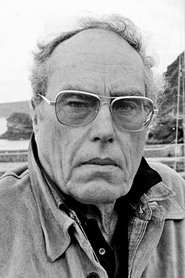 John SturgesDirector
 Yul BrynnerChris Adams
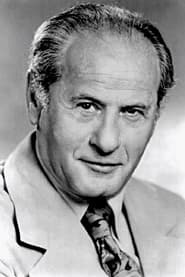 Eli WallachCalvera
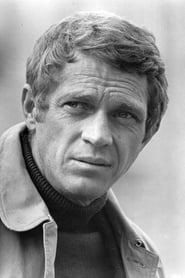 Steve McQueenVin
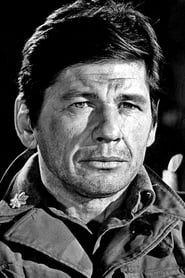 Charles BronsonBernardo O'Reilly
 Robert VaughnLee
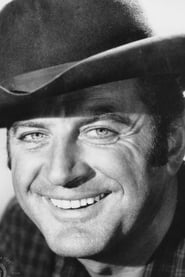 Brad DexterHarry Luck
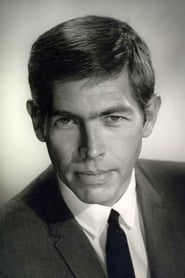 James CoburnBritt
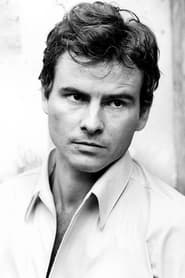 Horst BuchholzChico
 Jorge Martínez de HoyosHilario
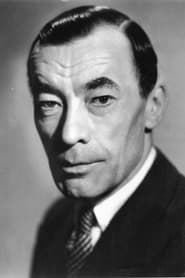 Vladimir SokoloffOld Man
 Rosenda MonterosPetra
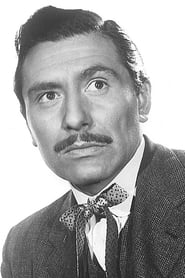 Rico AlanizSotero
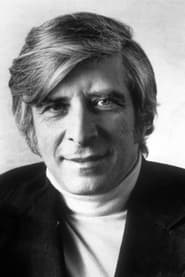 Elmer BernsteinComposer
 Walter BernsteinWriter
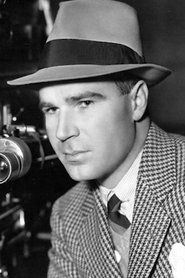 Charles LangCinematography
The Magnificent Seven
An oppressed Mexican peasant village hires seven gunfighters to help defend their homes.
What critics thought
Contemporary critics were mixed-to-positive, with many singling out the film's propulsive first two-thirds before accusing the finale of collapsing into cluttered sentiment — a complaint that echoed across multiple reviews. Decades of television exposure, star-making careers, and Elmer Bernstein's score have since elevated its reputation well beyond its initial reception, making the gap between how critics first received it and how audiences now revere it one of the more striking reversals in Hollywood western history.
“pallid, pretentious and overlong reflection of the Japanese original”
Howard Thompson·The New York Times
“Until the women and children arrive on the scene about two-thirds of the way through, The Magnificent Seven is a rip-roaring rootin' tootin' western with lots of bite and tang and old-fashioned abandon. The last third is downhill, a long and cluttered anti-climax in which The Magnificent Seven grow slightly too magnificent for comfort.”
Variety
“by turns, virile, rowdily funny and then, abruptly, not always predictably, it is pensive, even gentle. John Sturges' direction is superbly staccato; making a knife-sharp use of pauses and silences, it brings out both the humor and melancholy, the humanity as well as the evil inherent in the situation.”
Charles Stinson·Los Angeles Times
“the film manages to be both impressive and likeable.”
The Monthly Film Bulletin
“A superb Western, well acted and crammed full of action, human interest, pathos, suspense, plus some romance and humor.”
Harrison's Reports
Accolades
Genres
Action, Adventure, Drama
Cast & Crew
John SturgesDirectorYul BrynnerChris AdamsEli WallachCalveraSteve McQueenVinCharles BronsonBernardo O'ReillyRobert VaughnLeeBrad DexterHarry LuckJames CoburnBrittHorst BuchholzChicoJorge Martínez de HoyosHilarioVladimir SokoloffOld ManRosenda MonterosPetraRico AlanizSoteroElmer BernsteinComposerWalter BernsteinWriterCharles LangCinematography