Society of the Snow
Stream

On October 13, 1972, Uruguayan Air Force Flight 571, chartered to take a rugby team to Chile, crashes into a glacier in the heart of the Andes.
What critics thought
Bayona's survival epic earns broad praise for its technical craftsmanship and its unusual choice to give equal weight to those who didn't survive, not just those who did — a decision that separates it from earlier tellings of the same story. Critics largely agree on its visceral power and spiritual sincerity, though some felt it smoothed over the stranger, darker edges of the real event, and a minority dismissed it outright as hollow prestige filmmaking.
“philosophical script and unshakeable performances”
Roxana Hadadi·Vulture
“the strange, dark mystery of the Andes case is overlooked by Bayona; the weird suspicion that the experience has made the survivors "post-human”
Peter Bradshaw·The Guardian
“uneven but ultimately effective”
David Rooney·The Hollywood Reporter
“they survived. Cinema didn't”
Luís Miguel Oliveira·Público
Accolades
Genres
Adventure, Biography, Drama
Cast & Crew
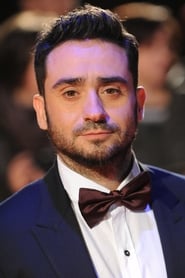 J. A. BayonaDirector
 Enzo VogrincicNuma Turcatti
 Agustín PardellaFernando "Nando" Parrado
 Matías RecaltRoberto Canessa
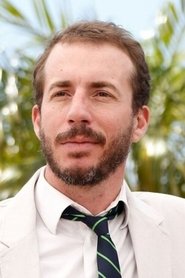 Esteban BigliardiJavier Methol
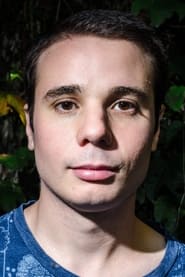 Diego VegezziMarcelo Pérez del Castillo
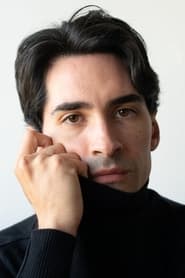 Fernando Contigiani GarcíaArturo Nogueira
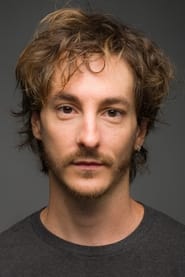 Esteban KukuriczkaAdolfo "Fito" Strauch
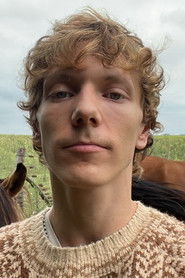 Francisco RomeroDaniel Fernández Strauch
 Rafael FedermanEduardo Strauch
 Valentino AlonsoAlfredo "Pancho" Delgado
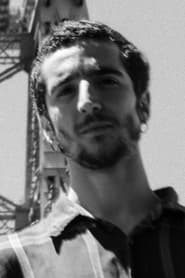 Tomás WolfGustavo Zerbino
 Agustín Della CorteAntonio "Tintin" Vizintín
 Michael GiacchinoComposer
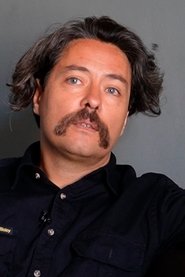 Bernat VilaplanaWriter
 Pedro LuqueCinematography
Society of the Snow
On October 13, 1972, Uruguayan Air Force Flight 571, chartered to take a rugby team to Chile, crashes into a glacier in the heart of the Andes.
What critics thought
Bayona's survival epic earns broad praise for its technical craftsmanship and its unusual choice to give equal weight to those who didn't survive, not just those who did — a decision that separates it from earlier tellings of the same story. Critics largely agree on its visceral power and spiritual sincerity, though some felt it smoothed over the stranger, darker edges of the real event, and a minority dismissed it outright as hollow prestige filmmaking.
“philosophical script and unshakeable performances”
Roxana Hadadi·Vulture
“the strange, dark mystery of the Andes case is overlooked by Bayona; the weird suspicion that the experience has made the survivors "post-human”
Peter Bradshaw·The Guardian
“uneven but ultimately effective”
David Rooney·The Hollywood Reporter
“they survived. Cinema didn't”
Luís Miguel Oliveira·Público
Accolades
Genres
Adventure, Biography, Drama
Cast & Crew
J. A. BayonaDirectorEnzo VogrincicNuma TurcattiAgustín PardellaFernando "Nando" ParradoMatías RecaltRoberto CanessaEsteban BigliardiJavier MetholDiego VegezziMarcelo Pérez del CastilloFernando Contigiani GarcíaArturo NogueiraEsteban KukuriczkaAdolfo "Fito" StrauchFrancisco RomeroDaniel Fernández StrauchRafael FedermanEduardo StrauchValentino AlonsoAlfredo "Pancho" DelgadoTomás WolfGustavo ZerbinoAgustín Della CorteAntonio "Tintin" VizintínMichael GiacchinoComposerBernat VilaplanaWriterPedro LuqueCinematographyStream